By Joely Charlotte Garland, Head of Marketing at Travelpack
There is a distinct malaise currently infecting European travel. It is the curse of the homogenised aesthetic—the “Instagram moment.” We have all seen it: the identical pastel-hued streets or the overcrowded view of a sinking, filtered to within an inch of its life, where the local culture has been quietly evicted to make room for a generic, international flat-white layout.
If you have clients who are thoroughly allergic to this performative style of travel—those who crave raw provenance, the unhurried slow-pour of local wine, and history that hasn’t been scrubbed clean for the cameras—then it is time to direct their gaze toward the Balkans. Specifically, toward Bosnia and Herzegovina.
A Mosaic Untamed by Time
I have long harboured a quiet obsession with the Balkan states. To the historically minded, this region is a dizzying, beautiful riddle: the friction point where the grand architectures of the Ottoman and Byzantine empires collided, later cast under the austere shadow of the Eastern Bloc and the turbulent fractures of the late twentieth century. It is a living mosaic of conflicting identities, languages, and religions, all miraculously bound together by a shared, fiercely resilient historical struggle.
Yet, while American and Arab travellers have quietly begun filling the boutique hotels of Sarajevo and Mostar, the UK market remains largely oblivious. Bosnia retains that most elusive and precious of travel currency: the hidden gem label. It is a destination your clients can visit with the smug, quiet satisfaction that none of their friends have been there first.
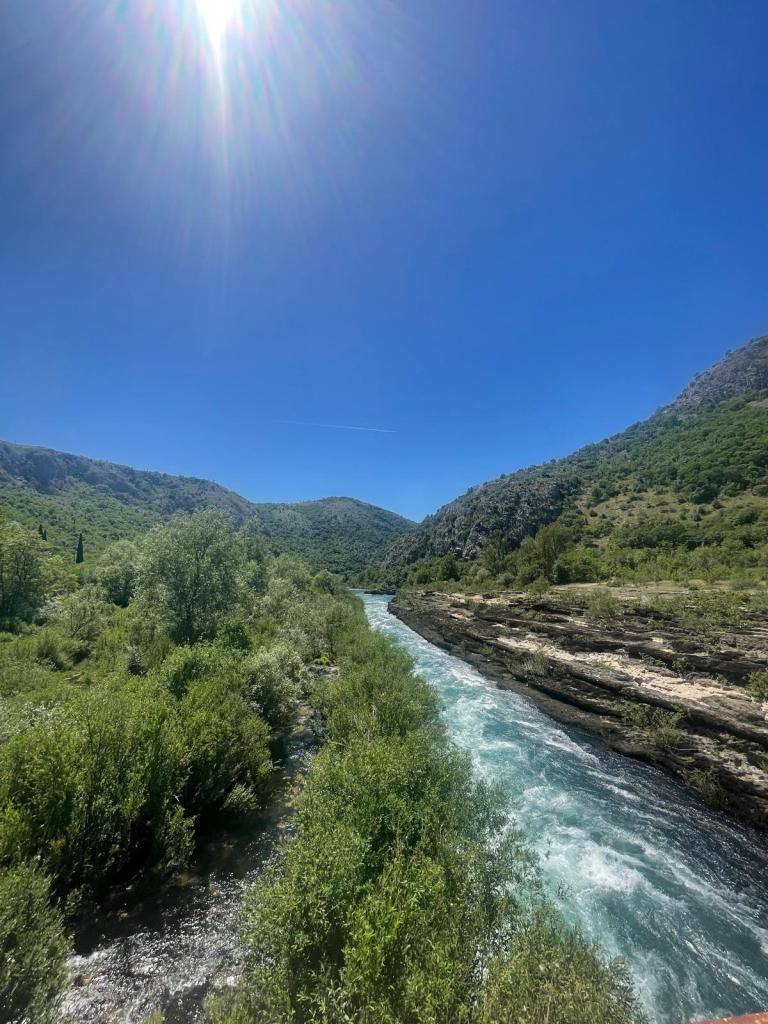
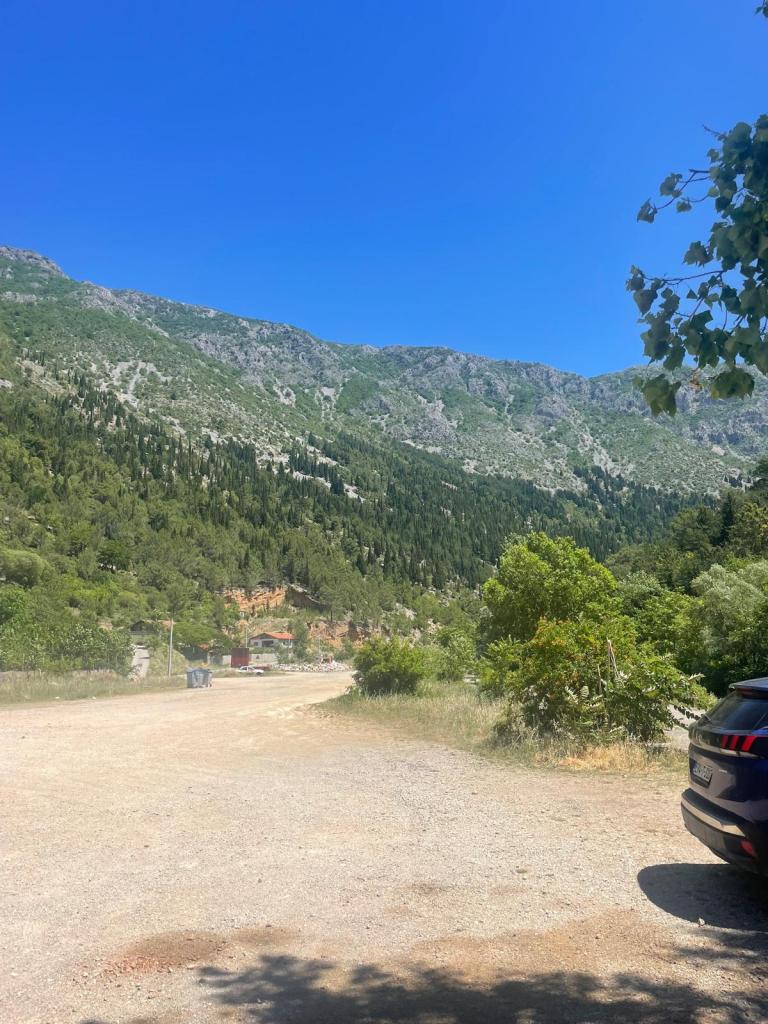
Our week of surprises began the moment we left Sarajevo Airport. Driving south toward Mostar, the landscape shattered every grey, post-conflict preconception. The terrain is dramatically, aggressively verdant. Rugged, Mesozoic limestone peaks give way to plunging valleys of deep emerald and jade, all carved through by roaring, crystalline rivers. It is a grand, theatrical introduction to a country that refuses to be neatly categorised.
The Electric Slowness of Mostar
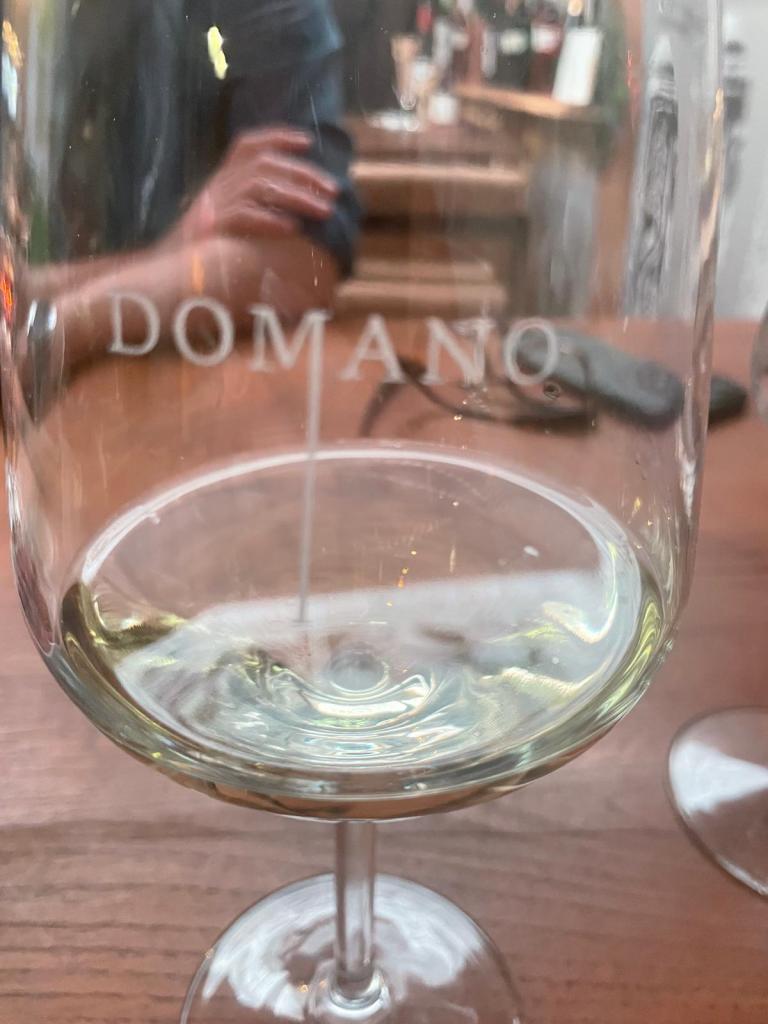
We spent our first evening in the ancient heart of Mostar, a city that manages to feel simultaneously electric and wonderfully somnolent. At Va Vino, a hidden wine bar in the Old Town, the owner poured deep, velvet-dark reds from the local Domano Winery. It was accompanied not by generic bar snacks, but by a bowl of freshly picked cherries, plucked from her own garden just hours prior. This is the definition of Bosnian luxury—unvarnished, intimate, and deeply rooted in the soil.
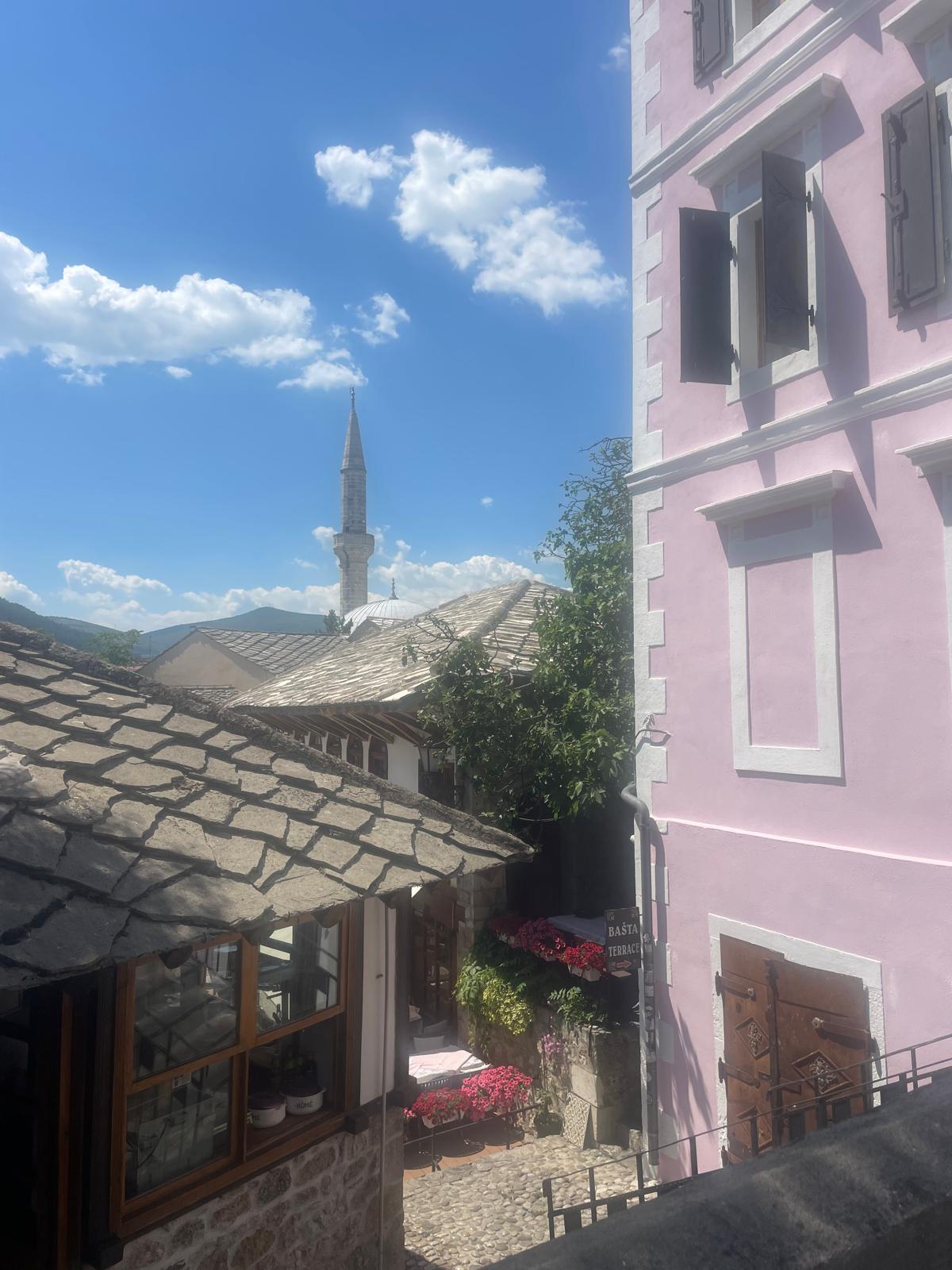
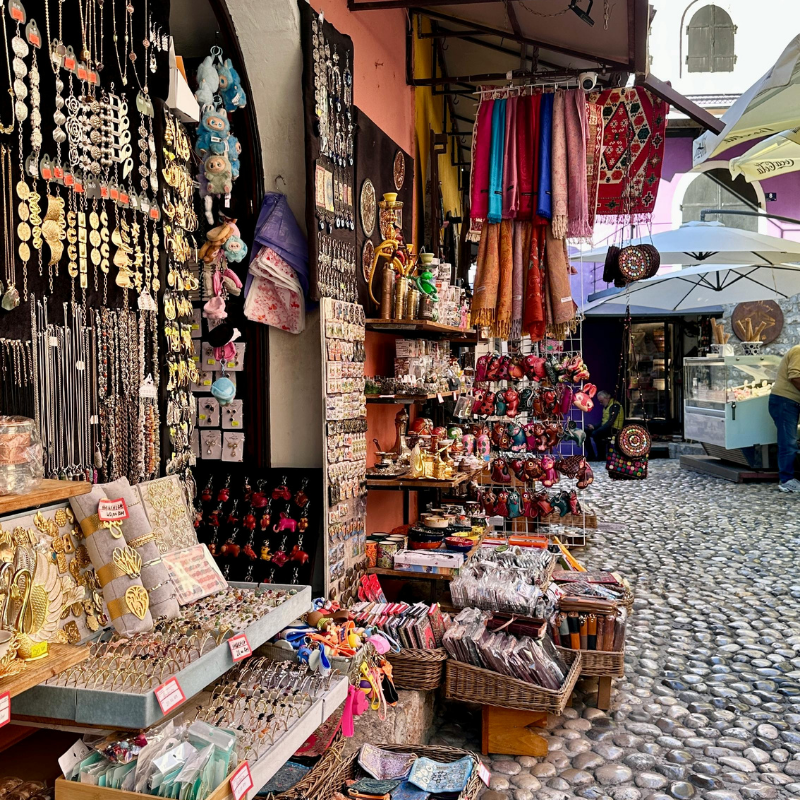
The following mid-morning, stepping out from our apartment onto the winding, cobbled pathways of the old bazaar, the senses are instantly awakened. There are no generic global chains here. Instead, independent artisans sell fine jewellery, hand-woven textiles, and traditional pastries.
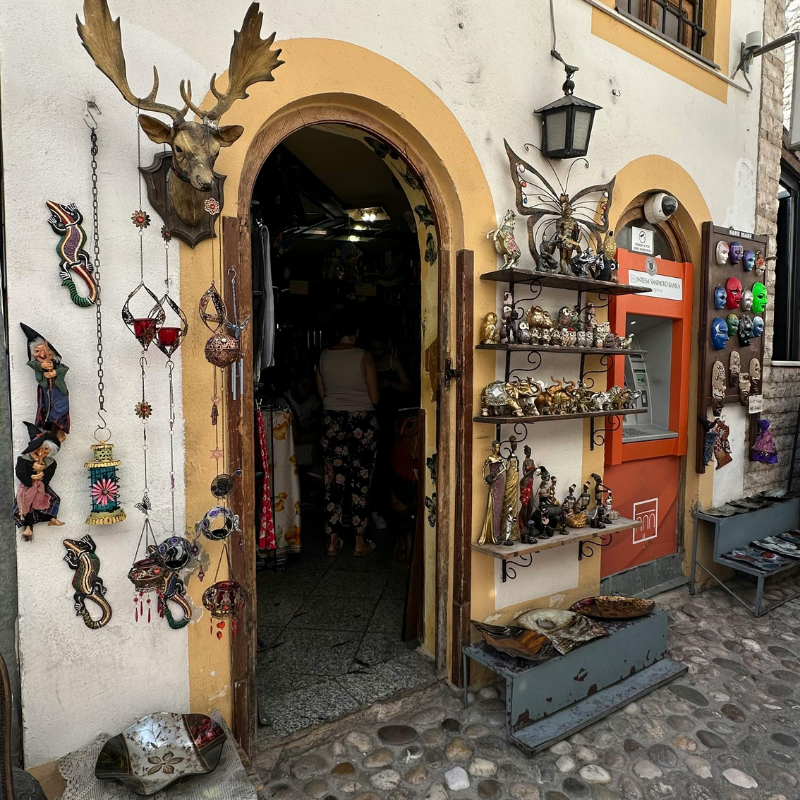
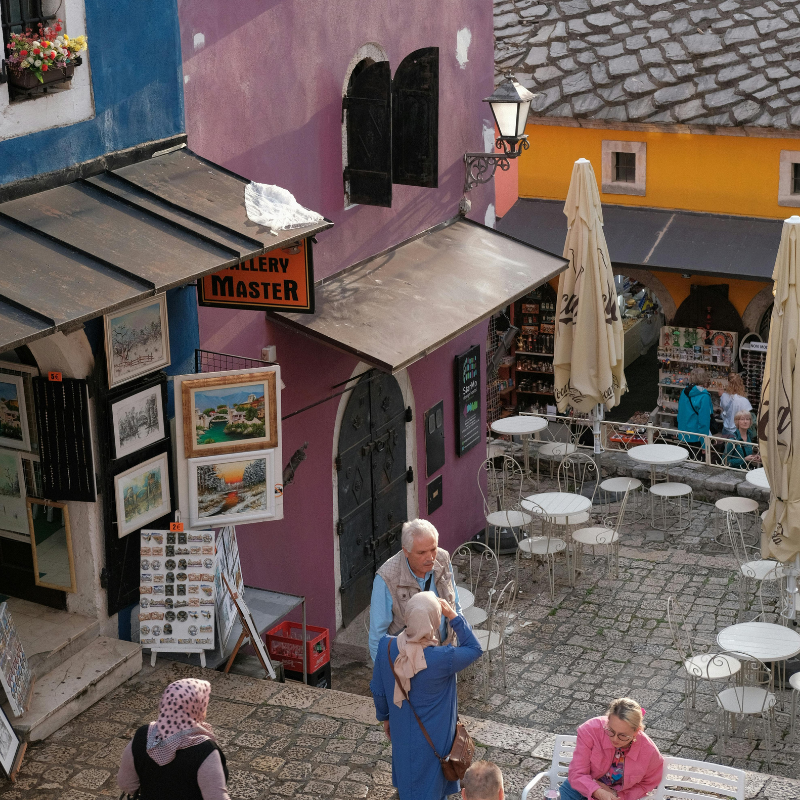
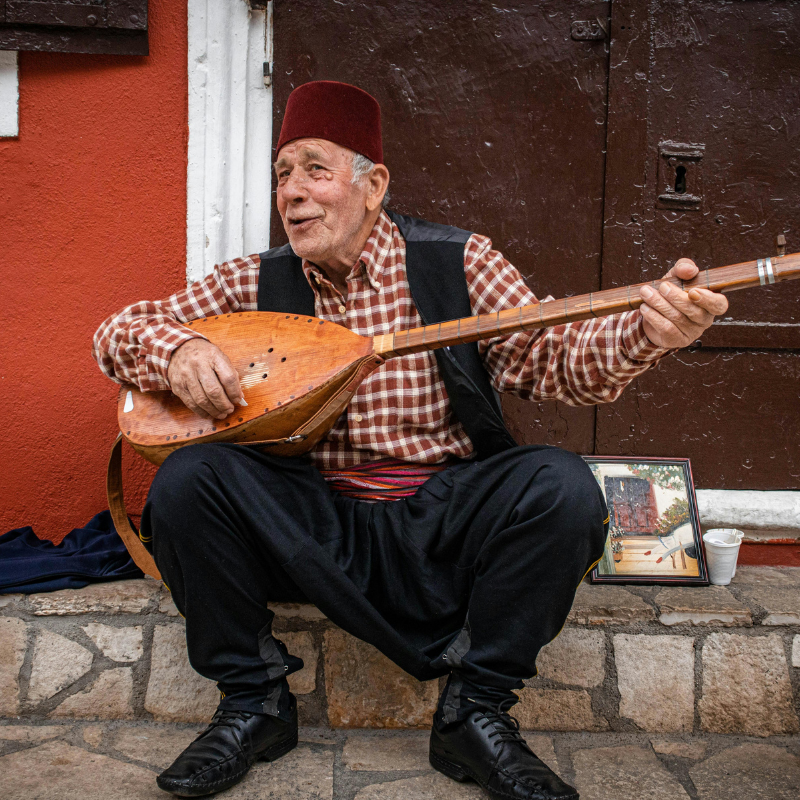
On the steps of the bazaar, we stopped for local Bosnian beers. Despite the crowds, the atmosphere possessed an enviable, languid pace. The locals, well-accustomed to the heavy summer heat, do not rush for anyone. The contrast to the frantic, hyper-caffeinated hustle of London was deliciously stark.
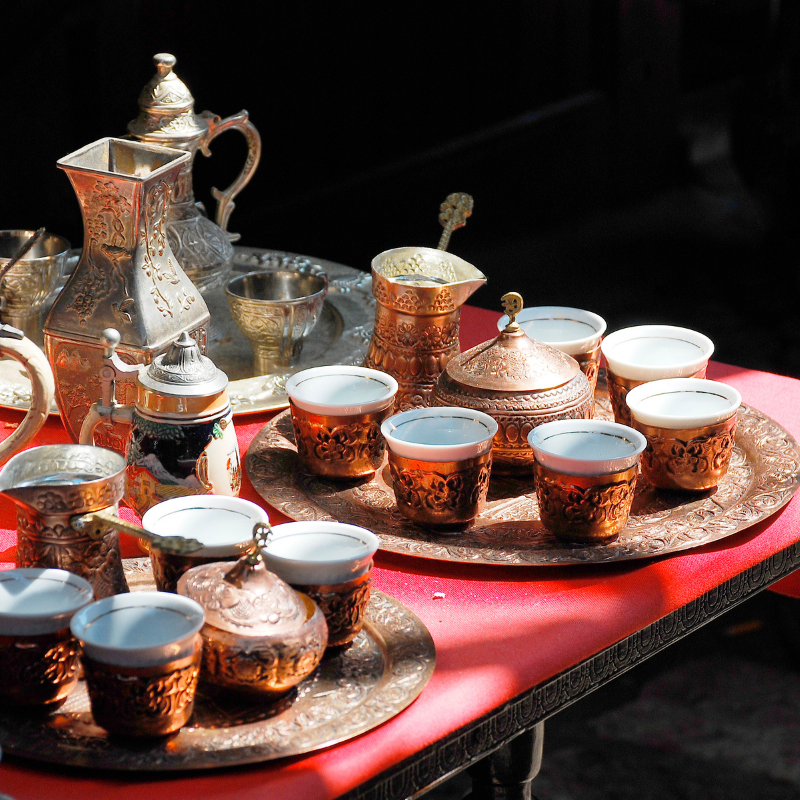
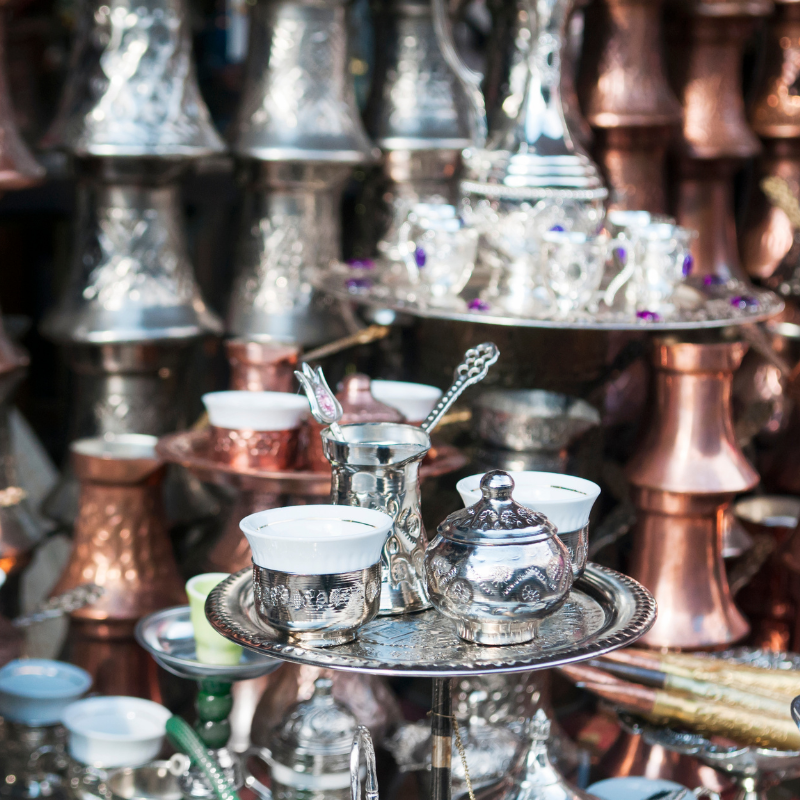
Amidst the stalls, we discovered AbrakaBakra Copper Art, a remarkable workshop run by local artist Denis Drljević. Denis is on a brilliant, one-man mission to revitalise the centuries-old traditional coppersmith craft of Mostar. His pieces are works of recycled genius—fusing scrap copper, old coins, stone, and crystals into striking reliefs, jewellery, and lamps. It is an authentic preservation of culture that no mass-produced souvenir shop could ever replicate.
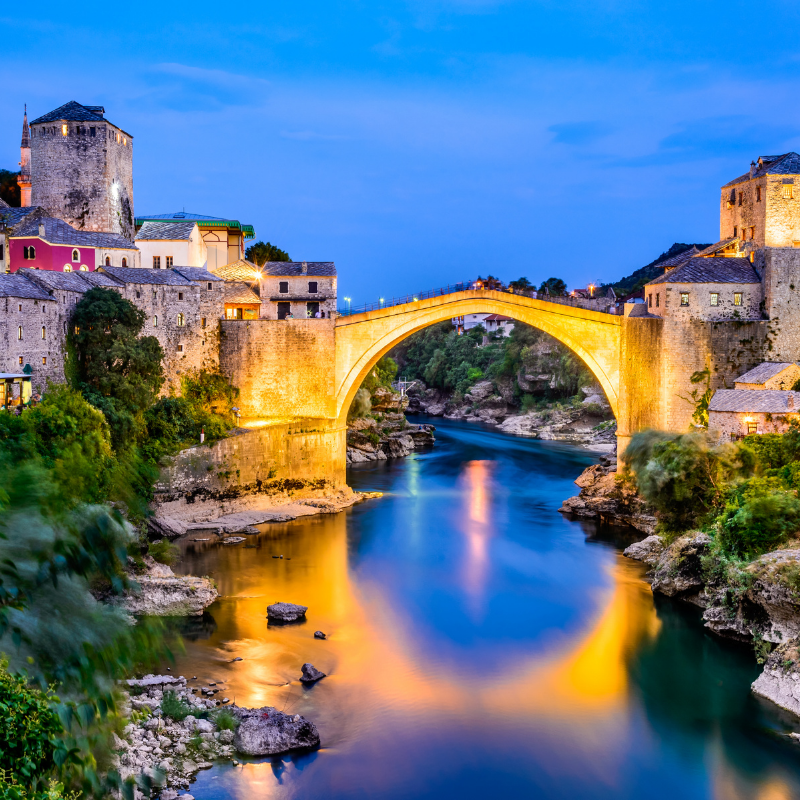
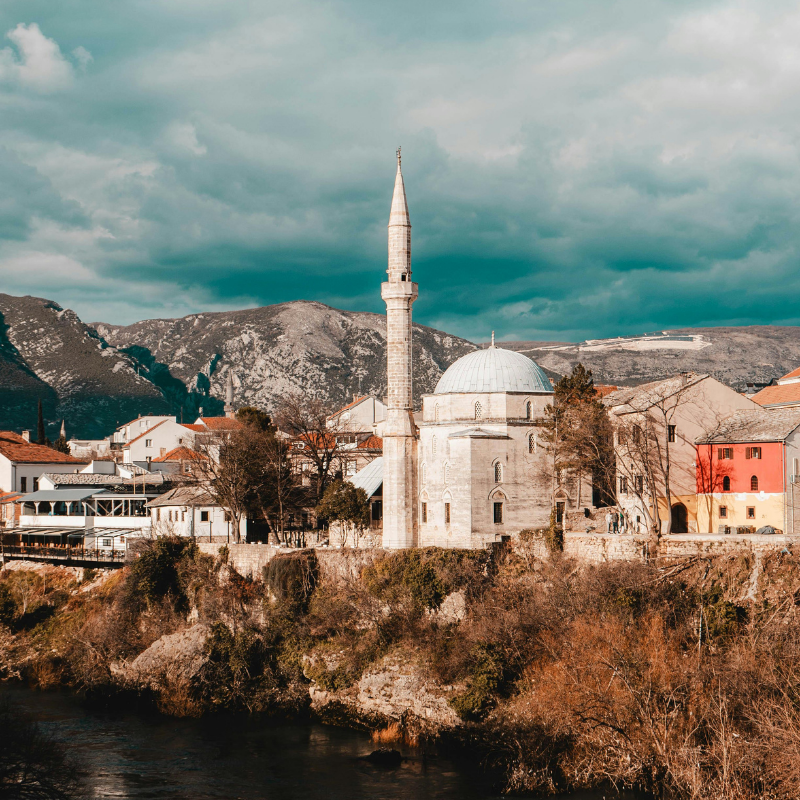
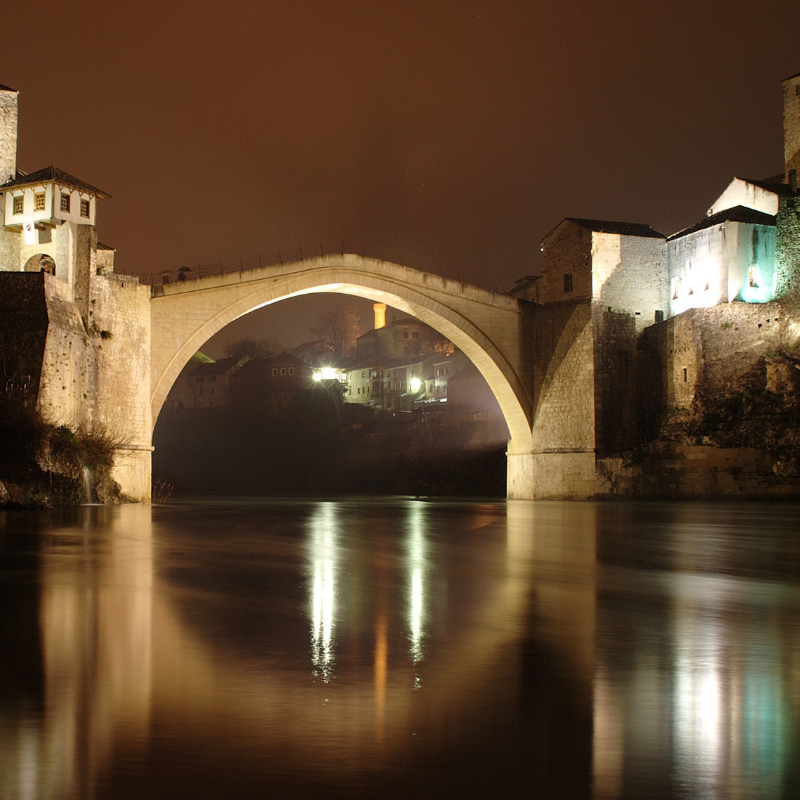
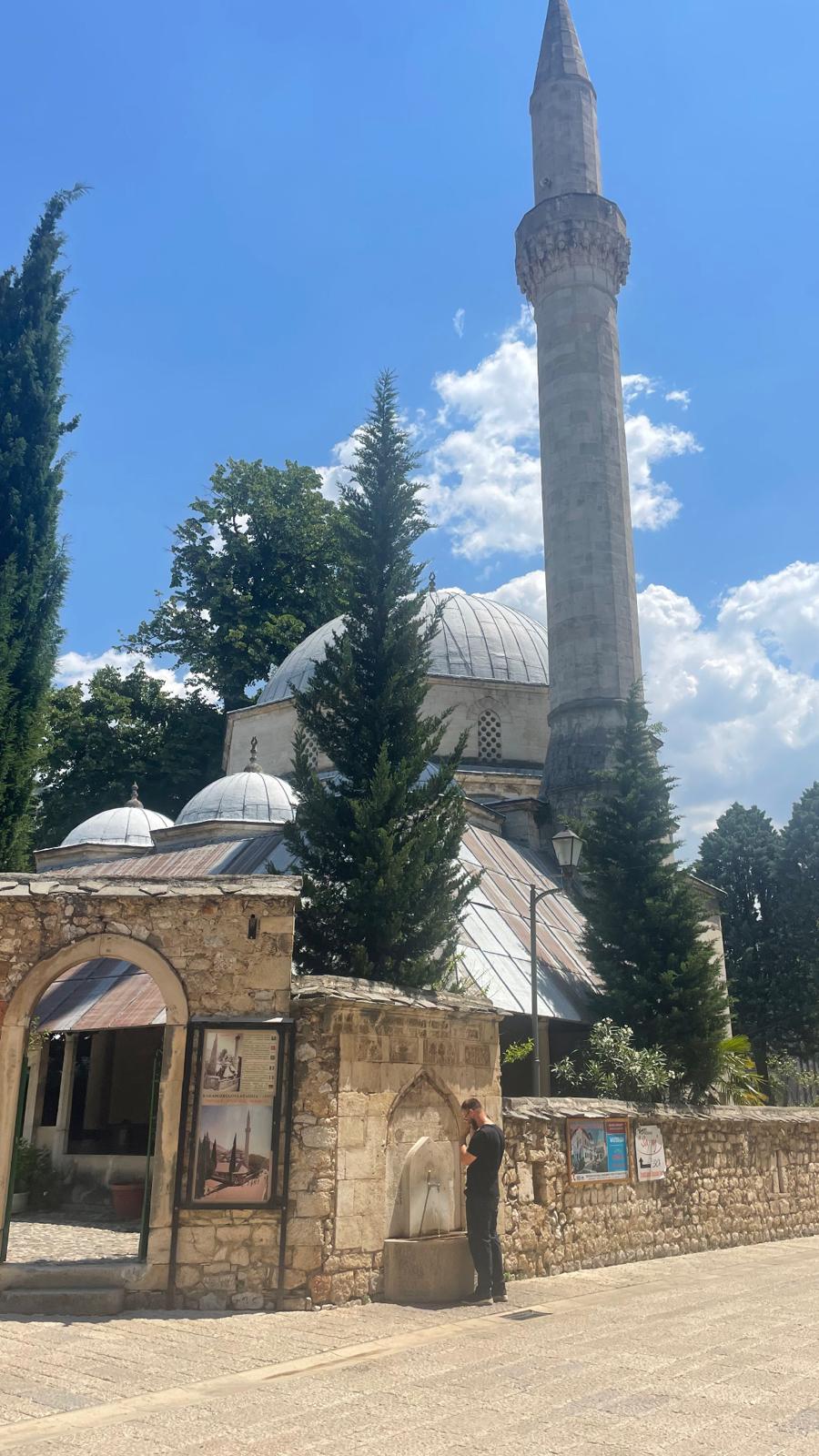
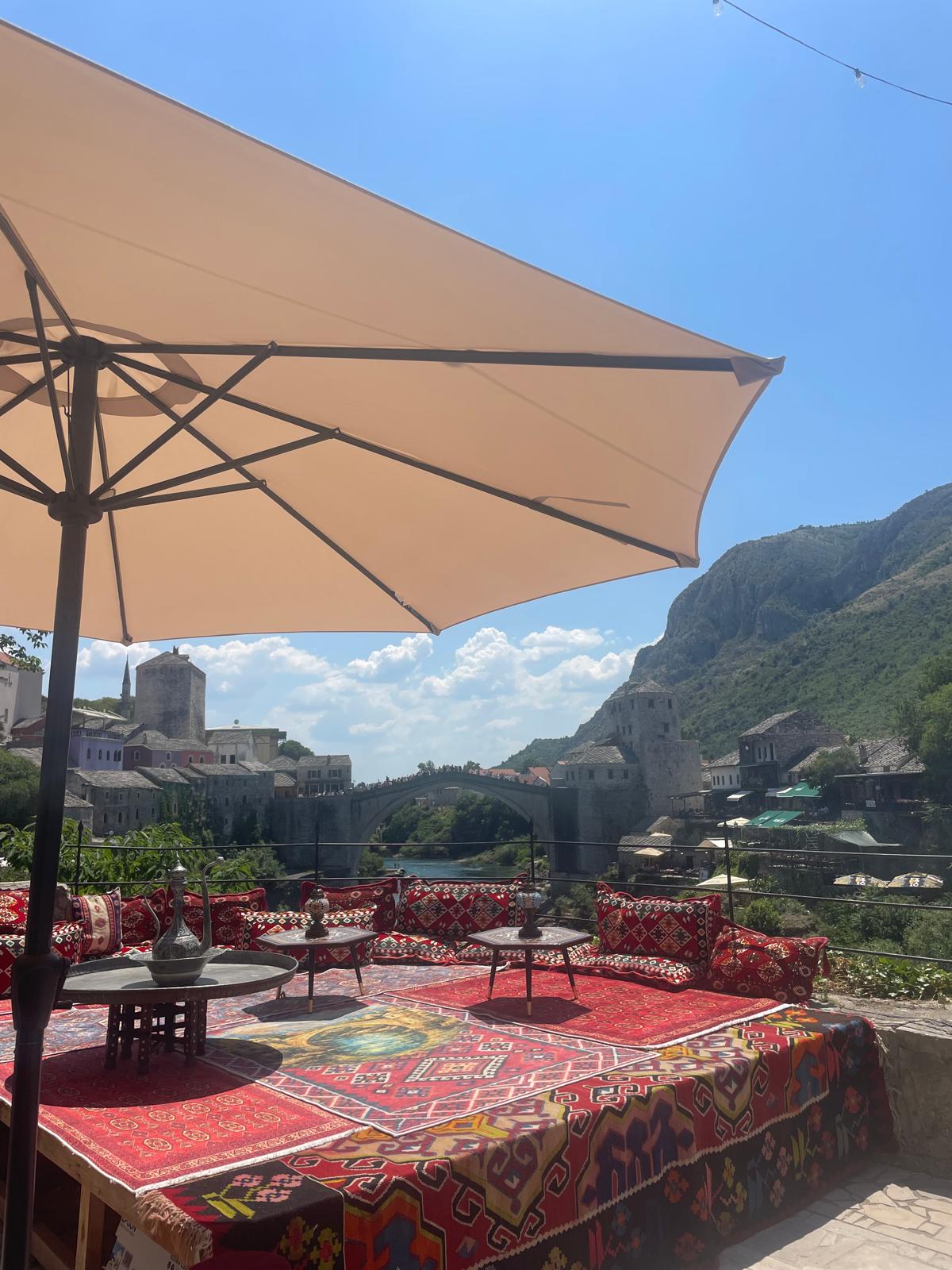
As night fell, we walked along the iconic Stari Most (the Old Bridge), watching the light of a full moon bounce off the rushing Neretva River beneath us. The next afternoon, we climbed the narrow minaret of the 1617 Koski Mehmed-Pasha Mosque, rewarded with a panoramic view of the river canyon that was nothing short of majestic.
Shadows, Secrets, and Sublime Pastries
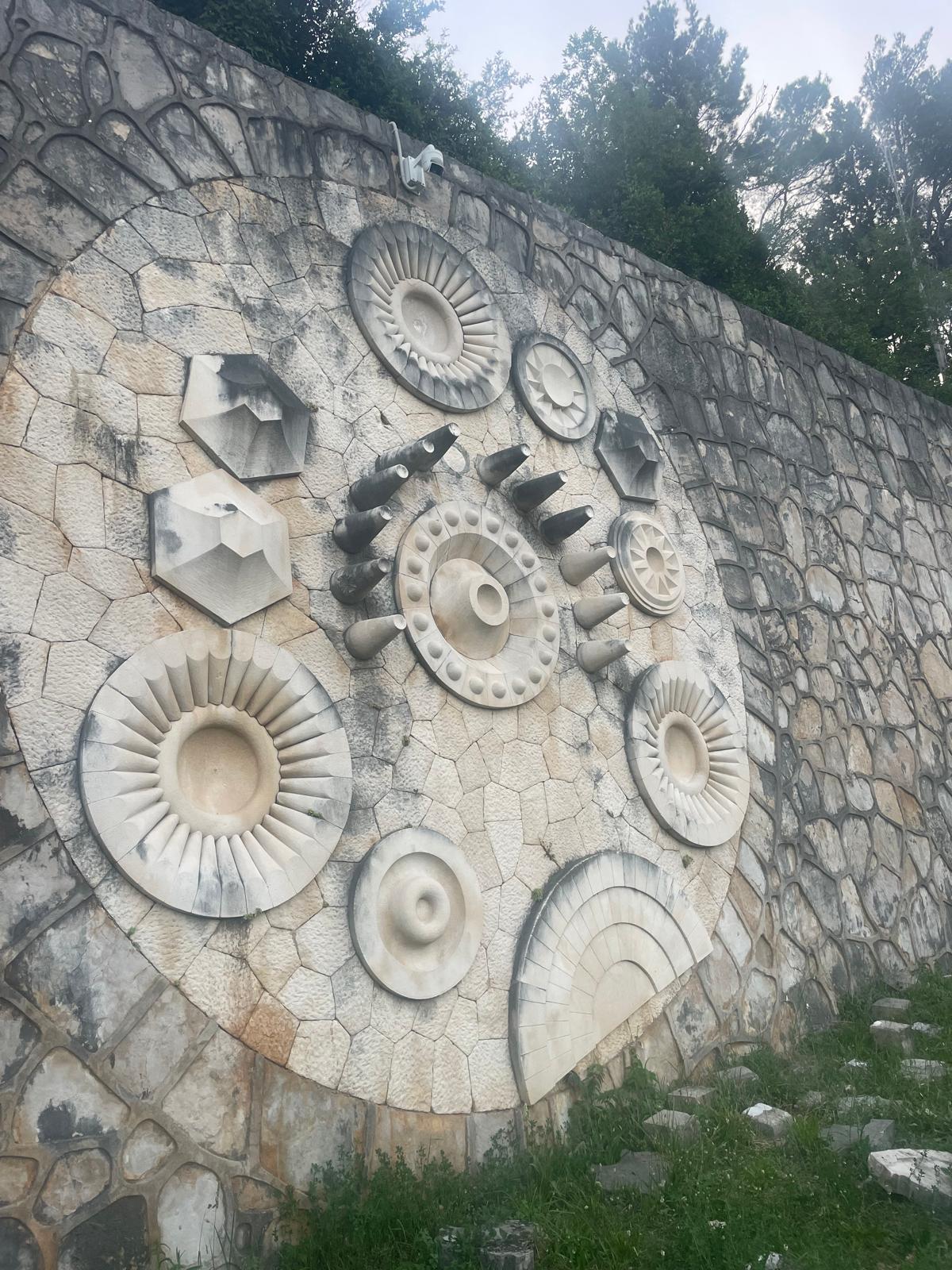
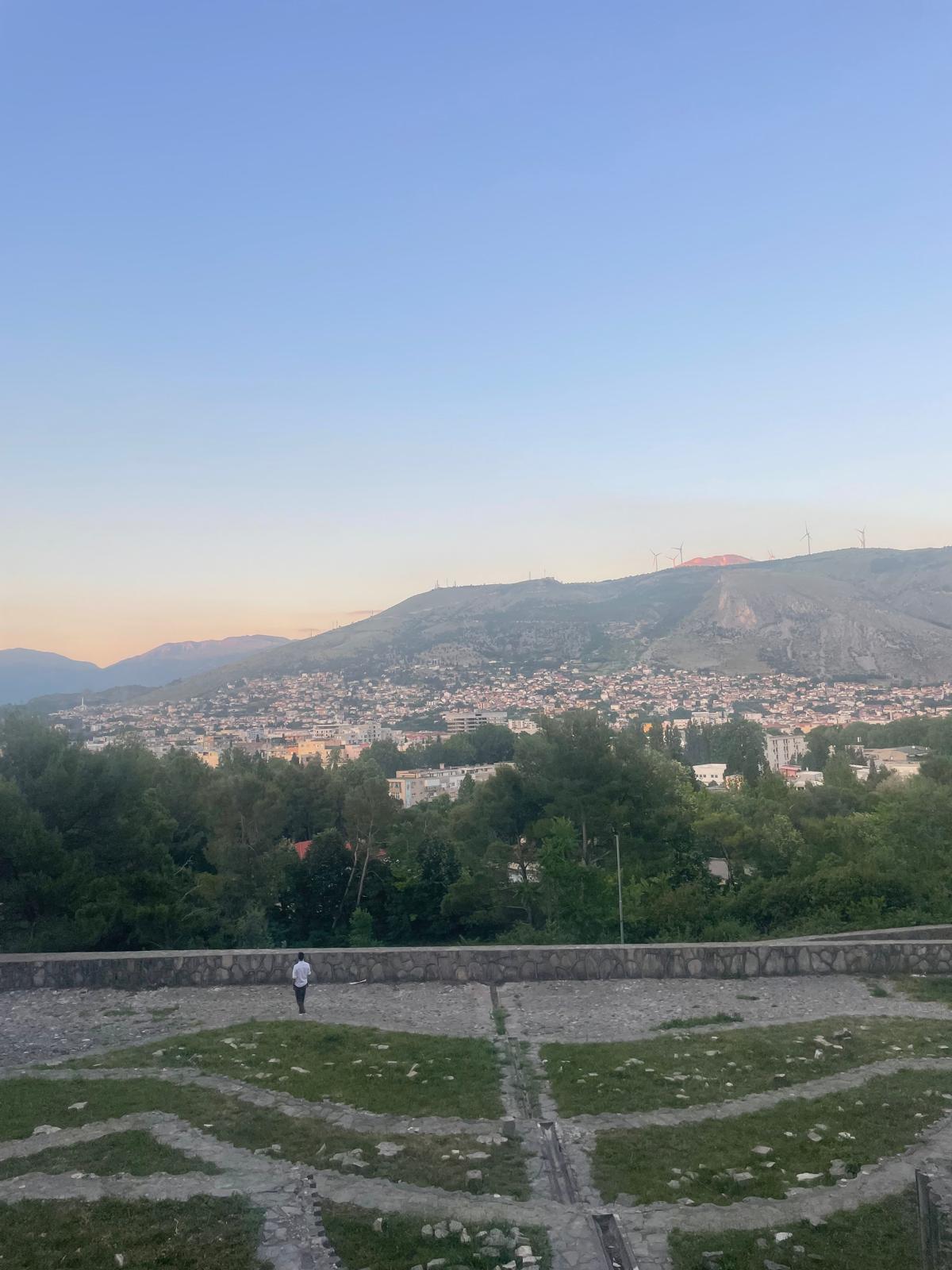
Bosnia demands that you look its history in the eye. At sunset, we made the pilgrimage to the Partisan Memorial Cemetery. Built to honour those who fought against fascism in World War II, this concrete, necropolis-like monument carries an immense architectural and emotional weight.
Standing amidst its weathered tiers as the sun dipped below the green horizon, the juxtaposition of natural beauty and historical gravity was profoundly moving.
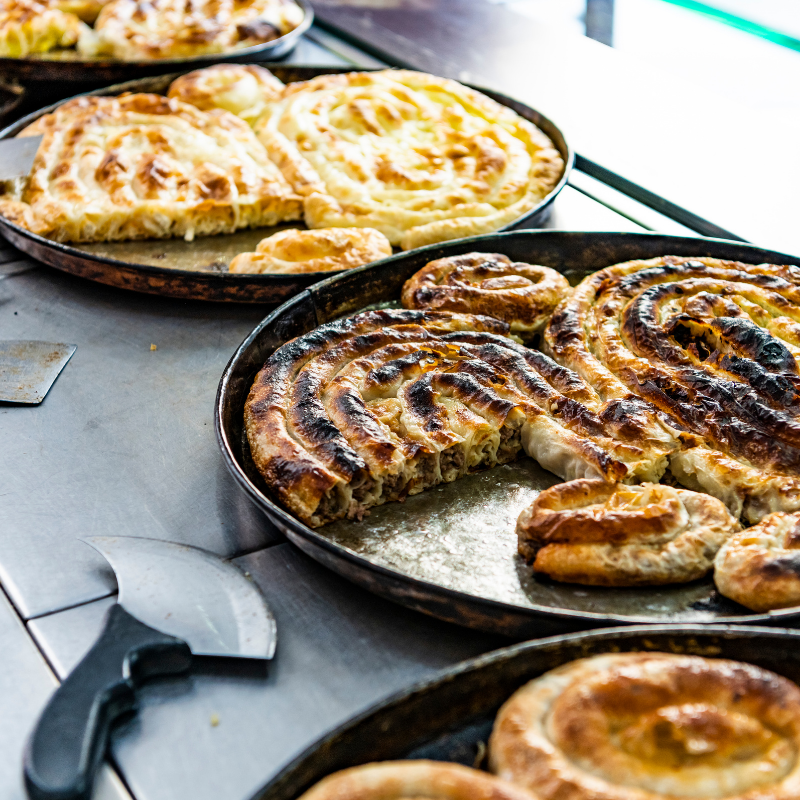
But the sublime always tangoes with the simple here. Craving authentic comfort food, we trudged up the steep hills above the town to find Buregdžinica Visak, a legendary local bakery. Here, Burek (traditional meat pie) is still baked under the sač—a heavy, bell-shaped iron lid covered in live coals. Prepared to a closely guarded, ancestral recipe, it was flaky, rich, and utterly flawless.
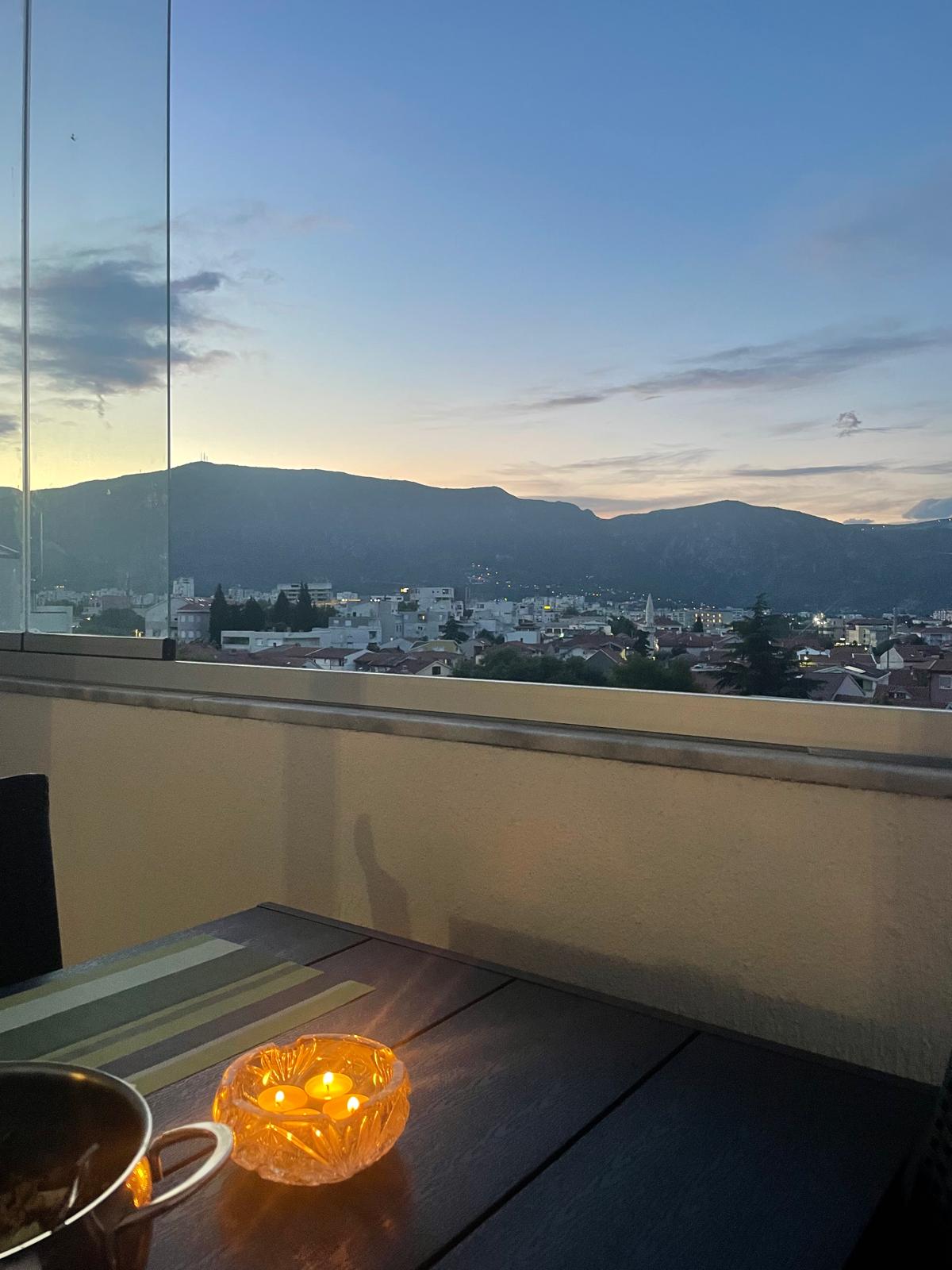
We carried our prize back to our apartment balcony, dining in the evening air to the hauntingly beautiful soundtrack of the Islamic call to prayer echoing across the valley.
Escaping to the Rushing Waters
To truly understand the Herzegovina region, you must advise your clients to hire a car. The true magic lies just beyond the city limits, hidden along the banks of its karst rivers.
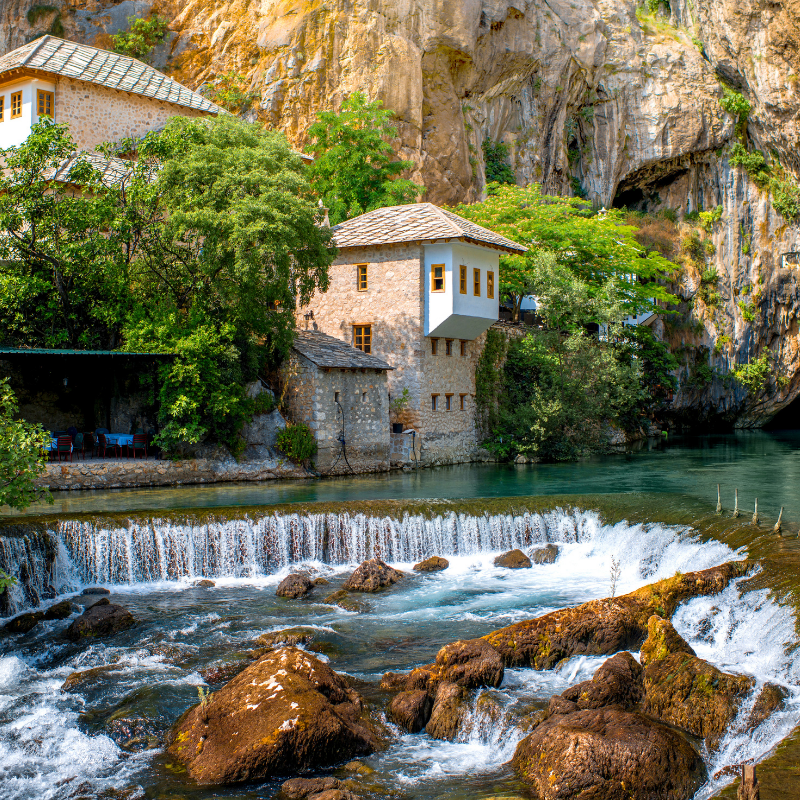
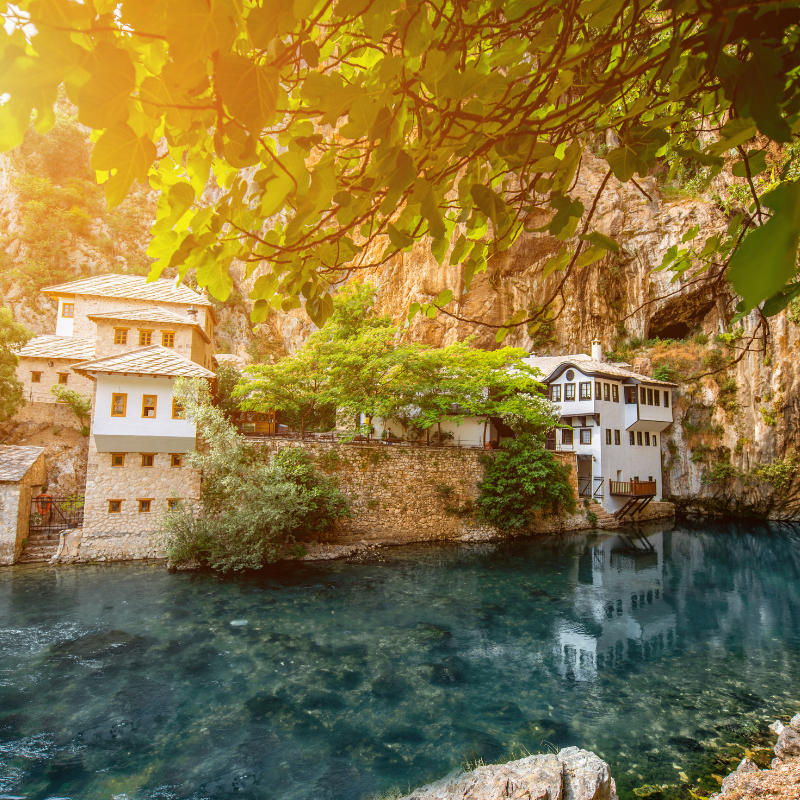
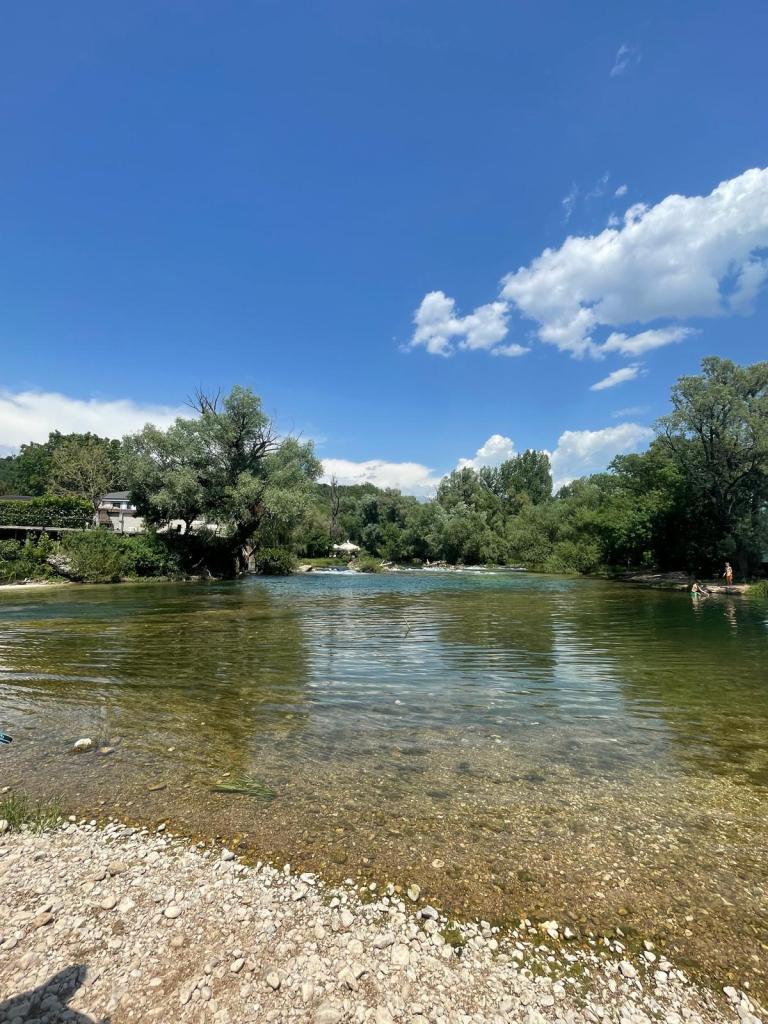
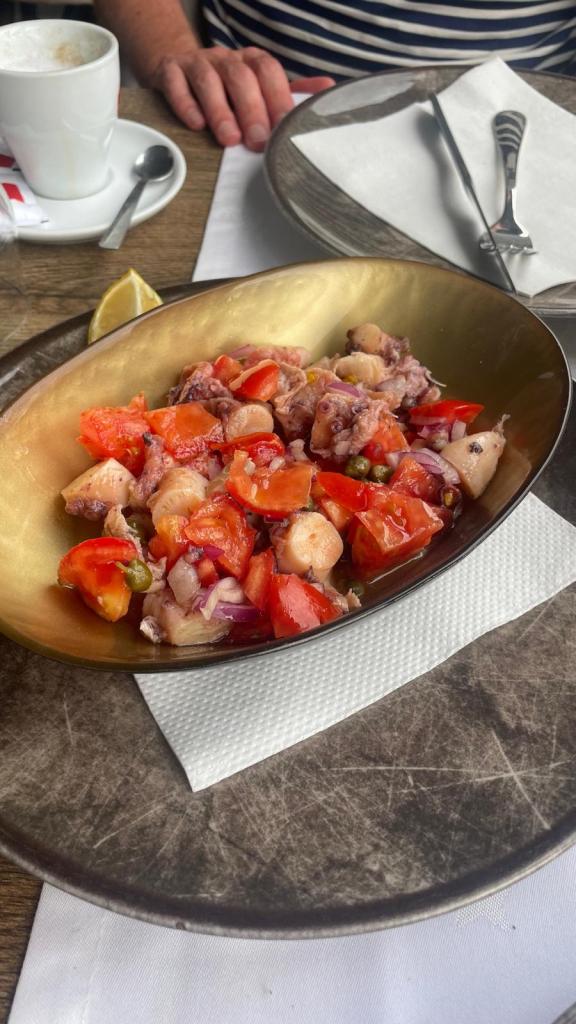
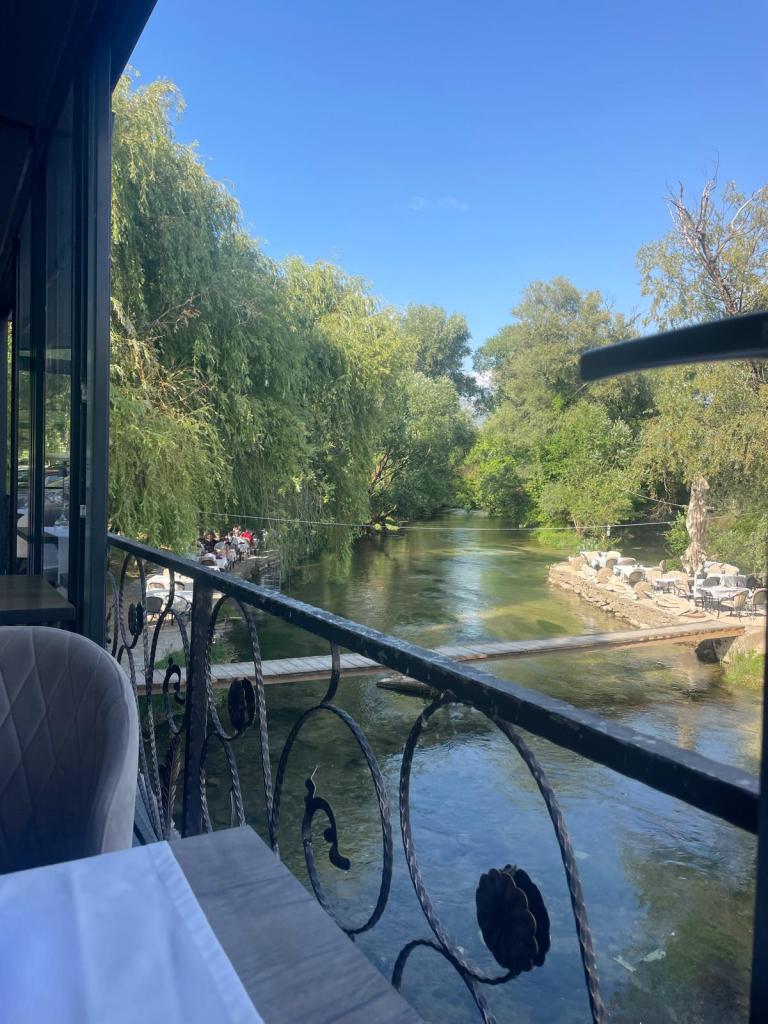
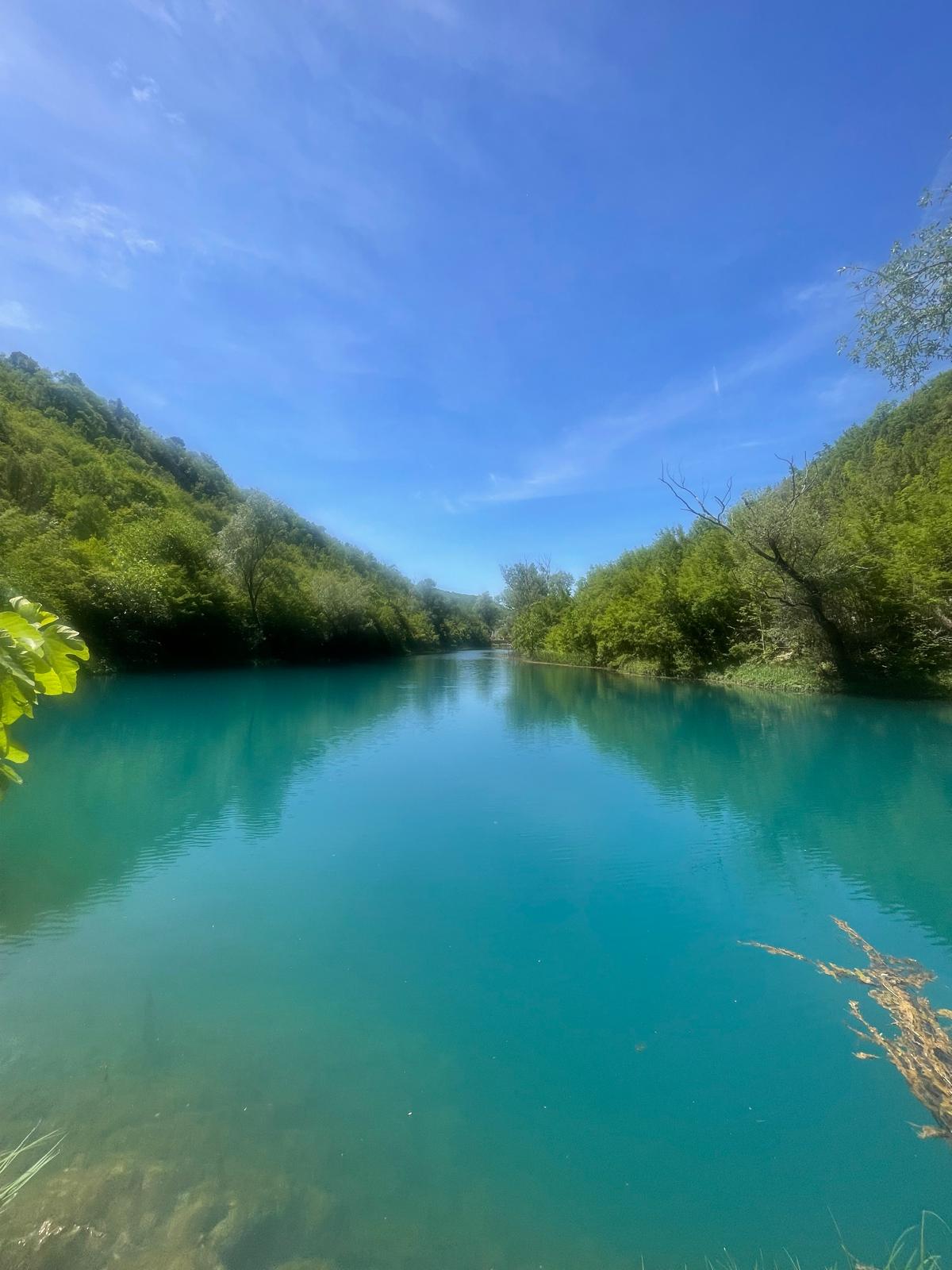
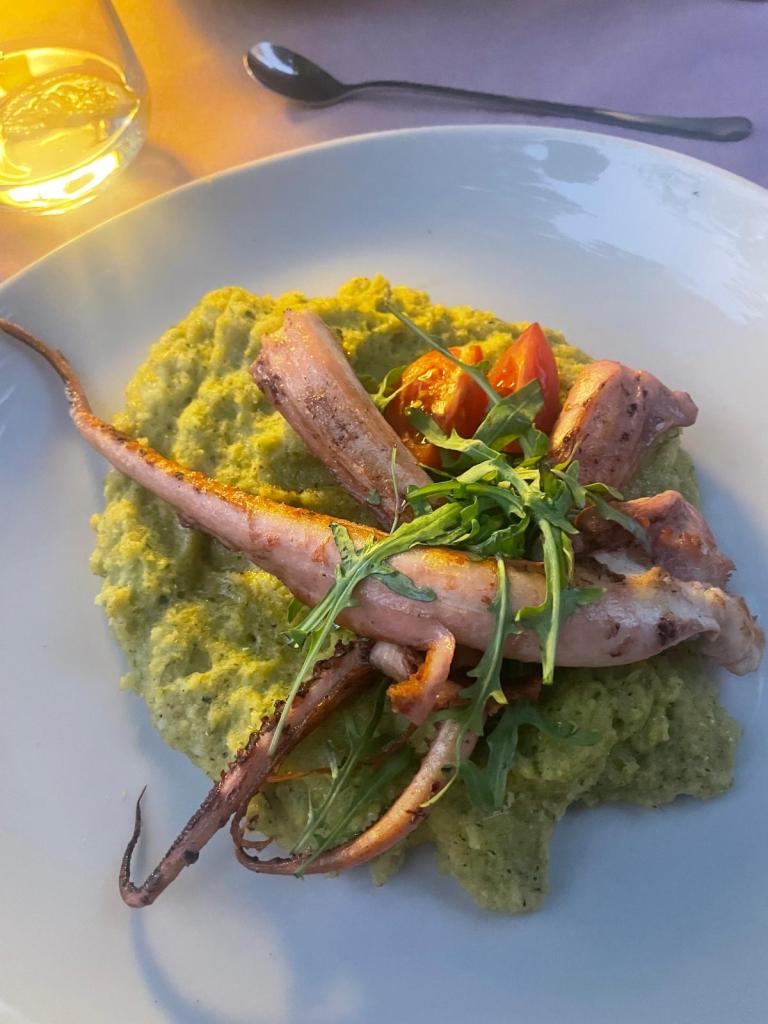
One afternoon found us at the confluence of the Buna and Bunica rivers in the quiet settlement of Hodbina. At Restoran Kolo, we dined right on the water’s edge, enjoying an octopus salad so fresh it rivalled anything found on the Dalmatian coast.
We encountered that same exceptional seafood at the Buna Hotel, a beautifully reconstructed property dating back to the Austro-Hungarian era. Its garden is built around the famous Buna irrigation ditch wheel—a historic engineering marvel shaded by ancient, preserved green treetops that keep the summer heat entirely at bay.
For those seeking waterfalls without the tourist herds, skip the heavily publicised Kravica. Instead, take my insider tip and head to Kupalište Božijak. It is a smaller, wildly beautiful, and far more intimate alternative where you can swim in crystal-clear pools beneath rushing falls, entirely undisturbed by commercial noise.
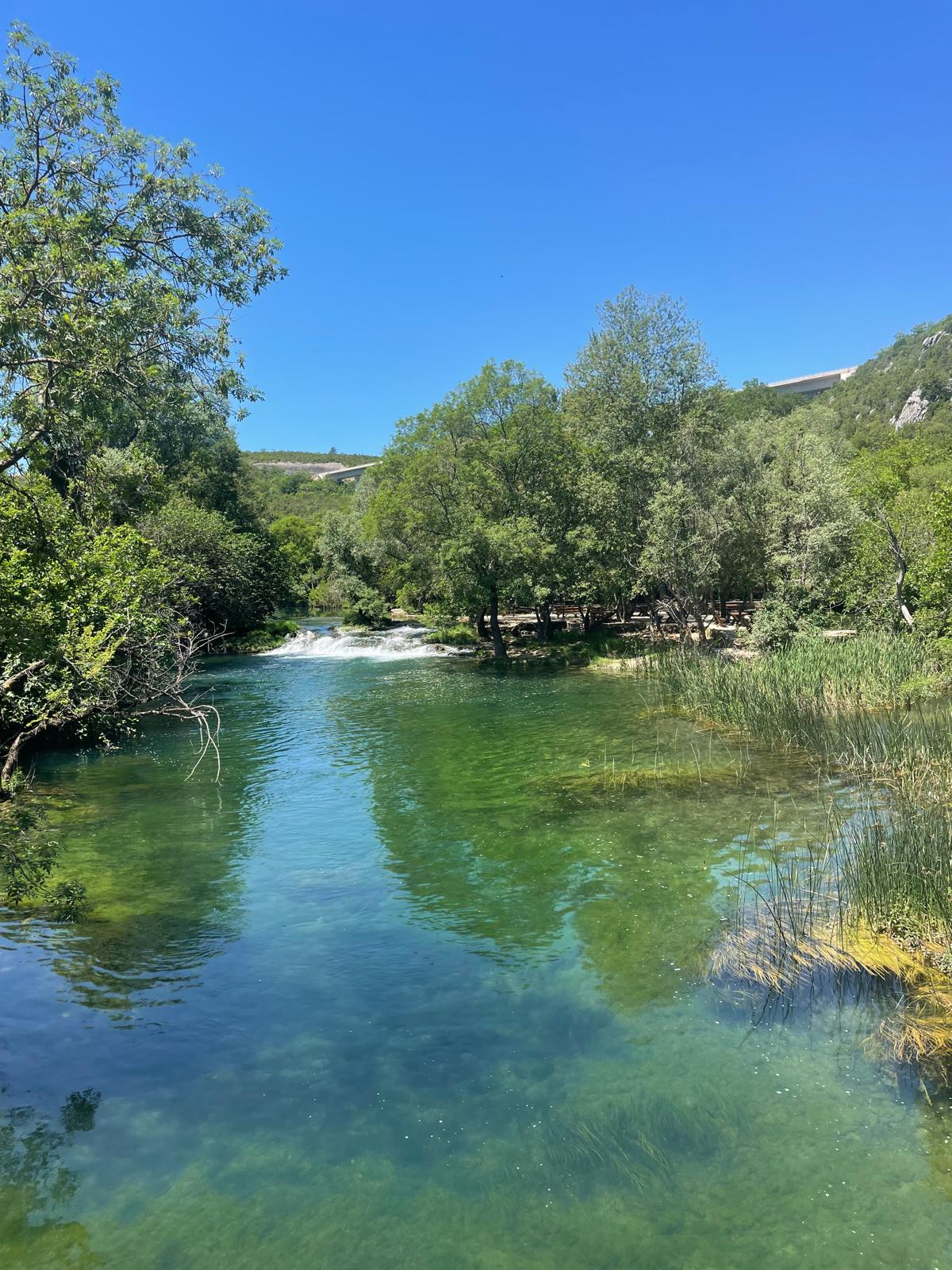
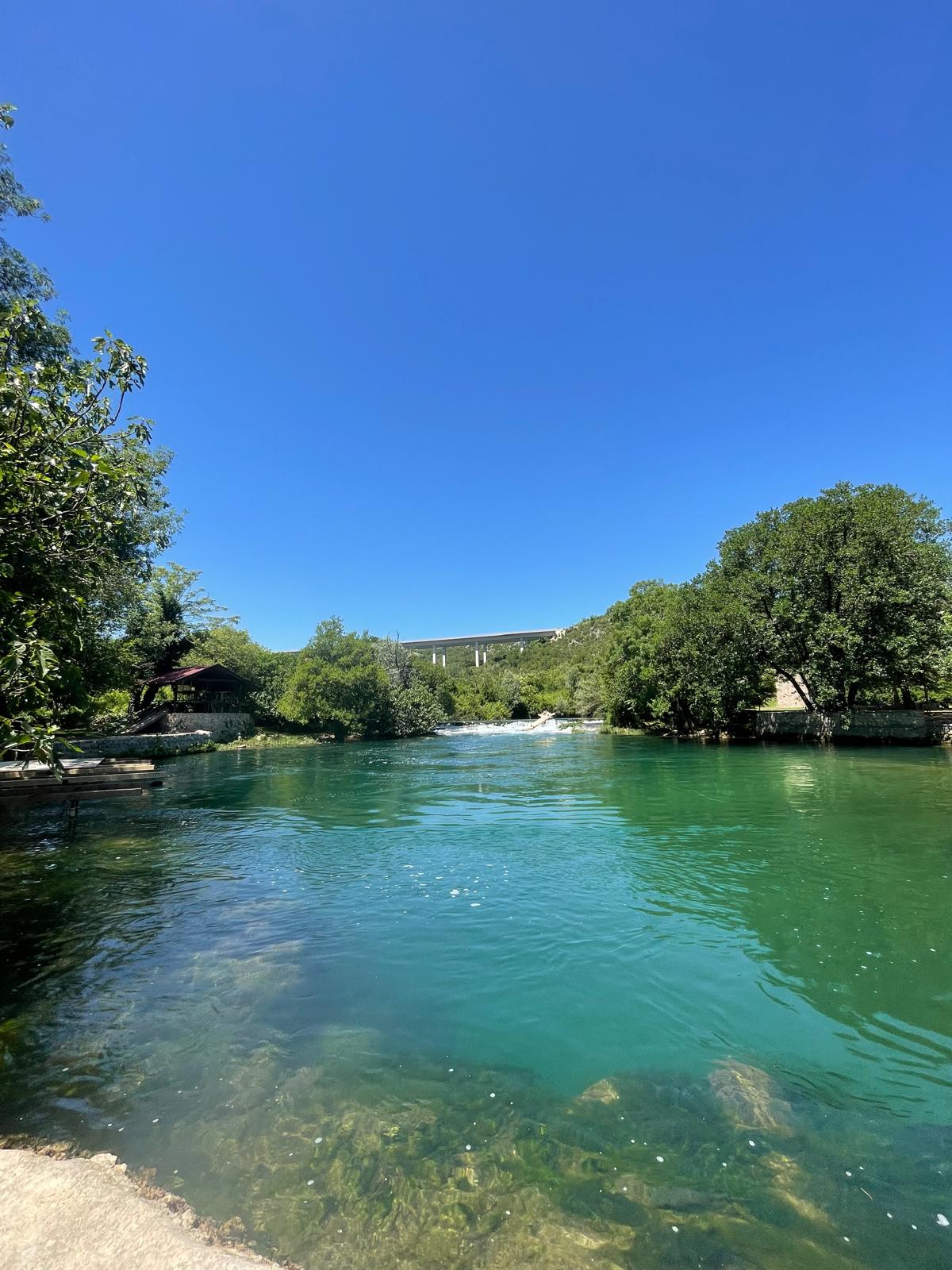
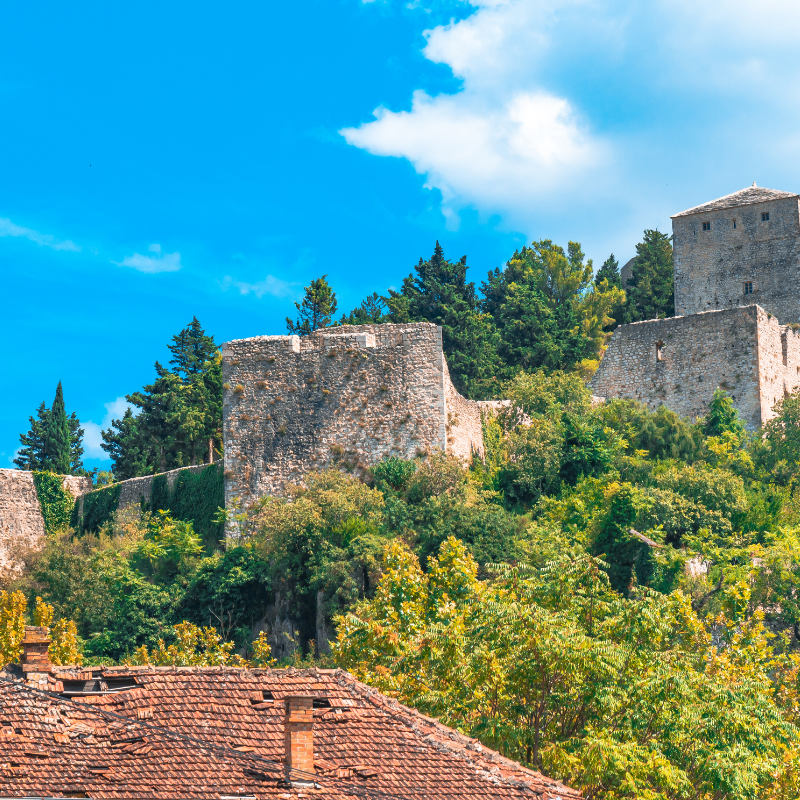
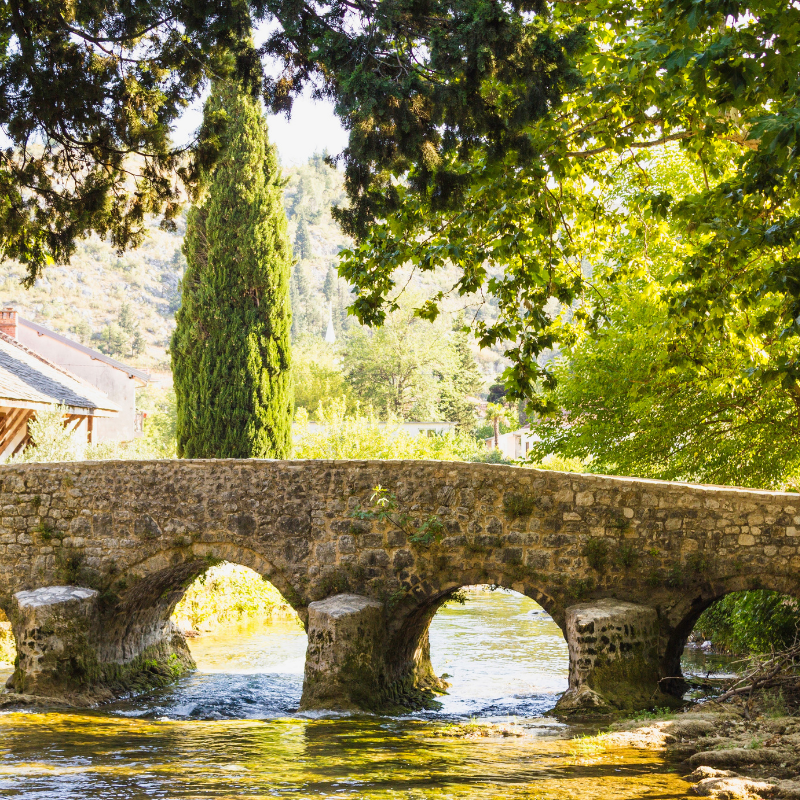
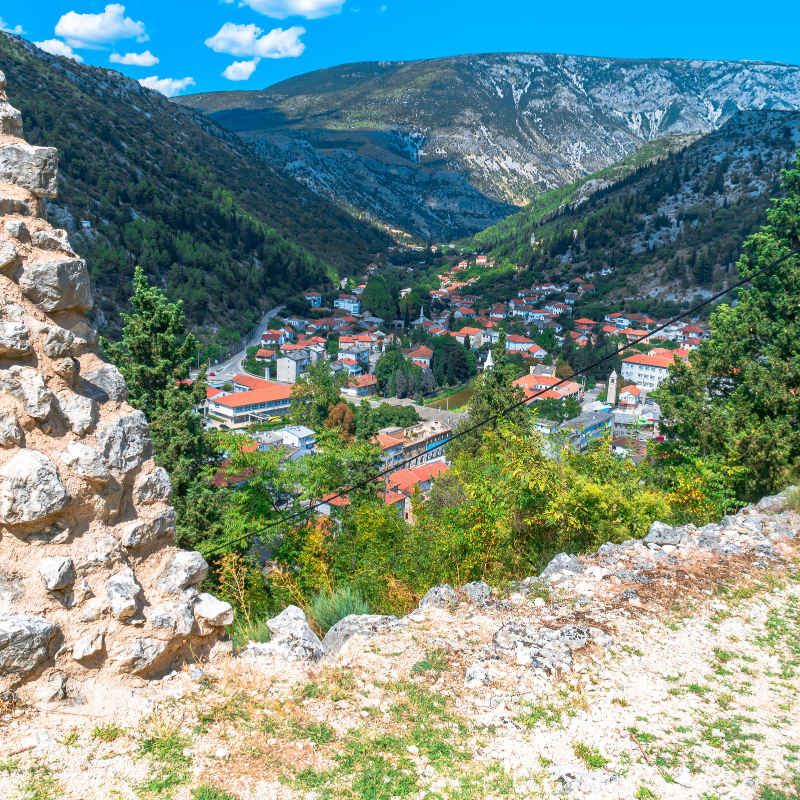
Further south near Stolac, on the banks of the Bregava River, the scenery undergoes a startling transformation. Driving through the valley, I felt as though I had been magically transported to the rural heart of Sicily. The roads were framed by blossoming trees, milky-stone walled cottages, and immense, emerald mountains.
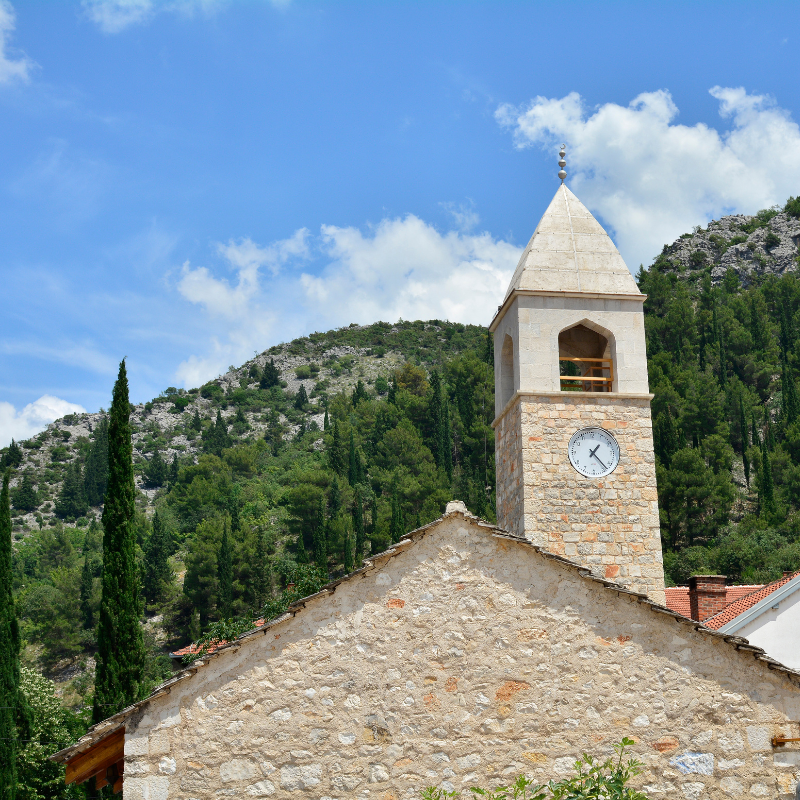
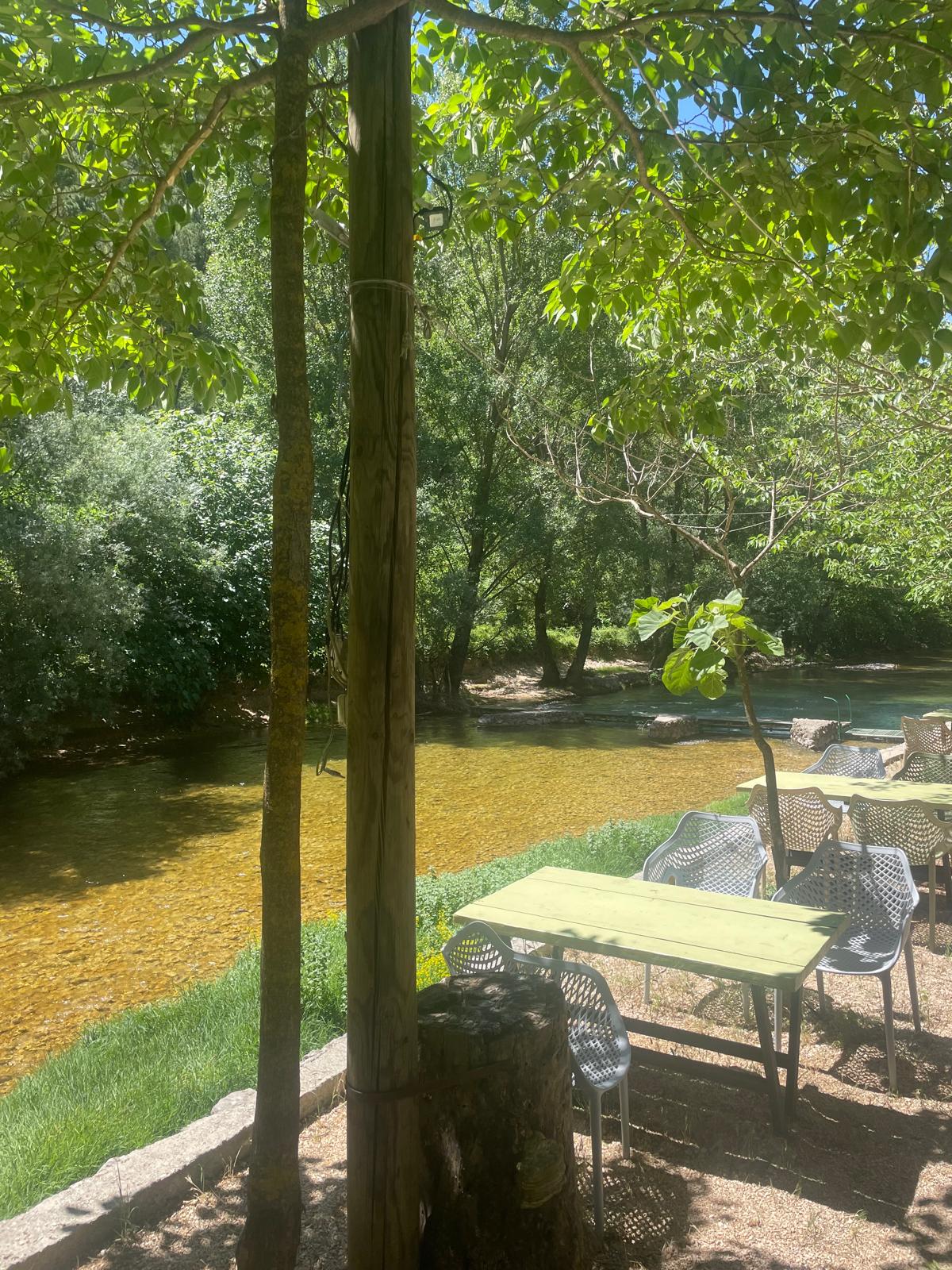
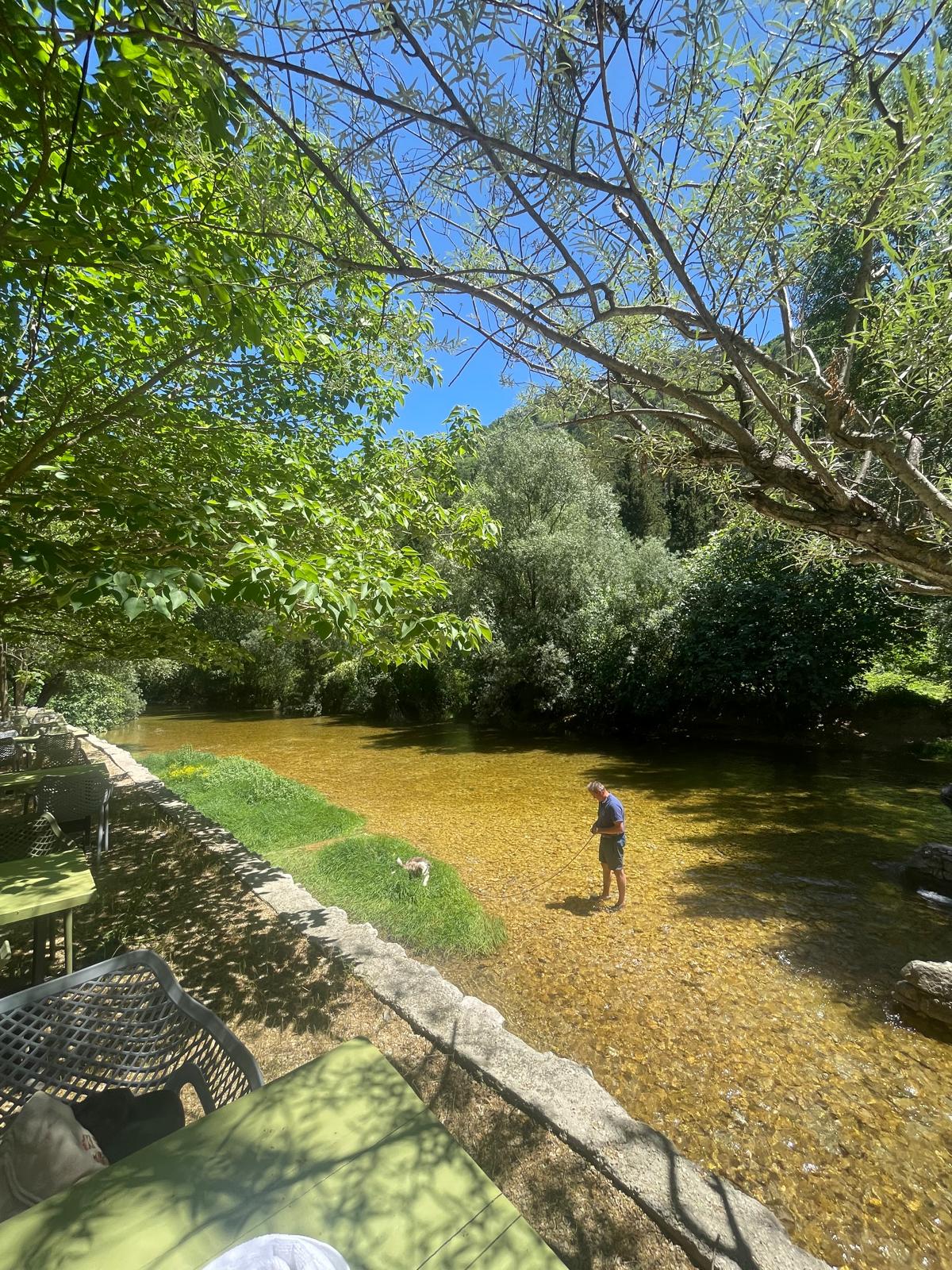
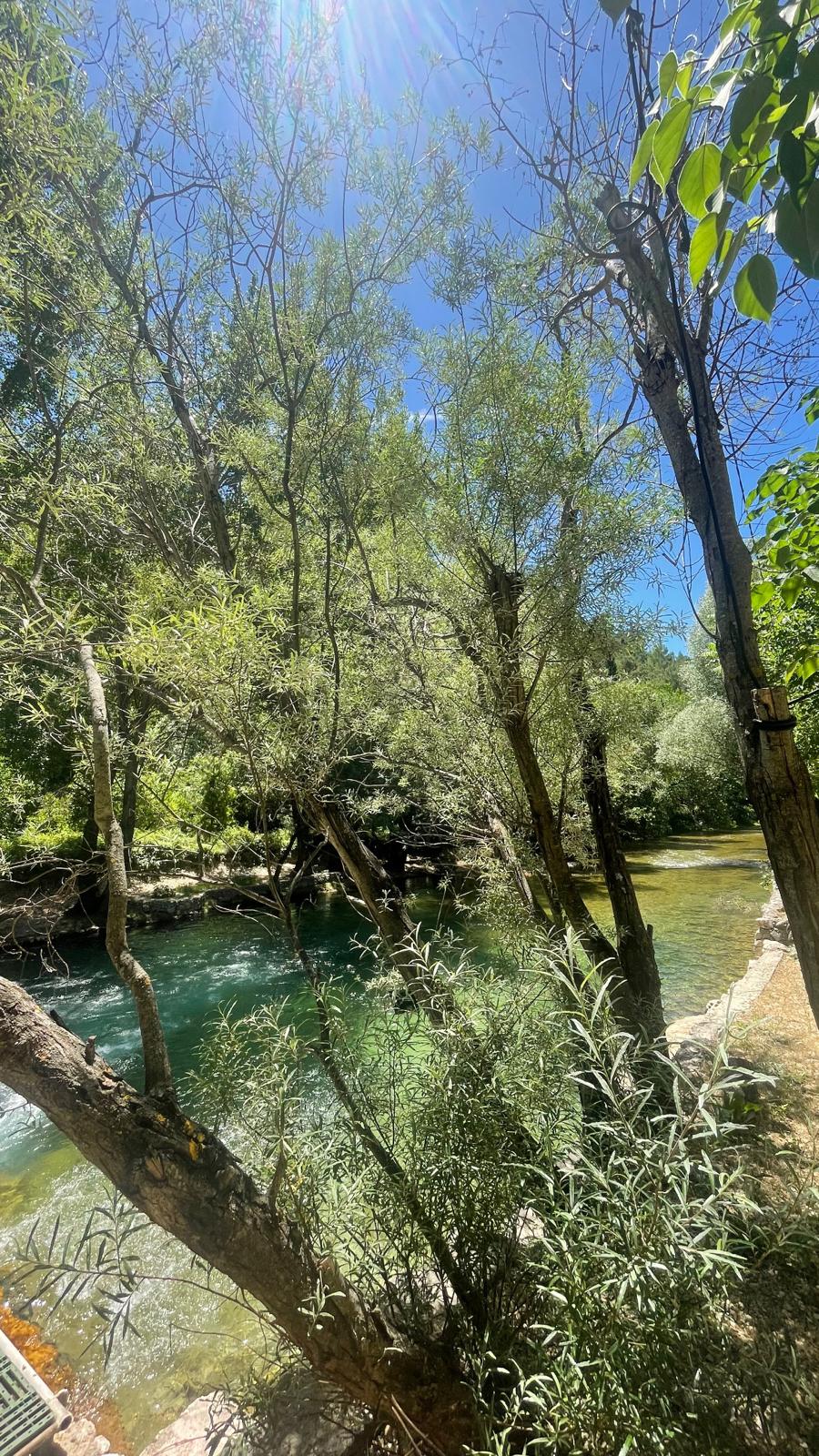
Before our visit to the monastery of Zavala – one of three most important religious centres in Herzegovina – we stopped at the Restoran Han. This remarkable eatery is a faithful replica of a traditional musafirhana—the ancient Ottoman lodging houses where travellers and strangers were historically given free food and shelter. That legendary hospitality still thrives. It was here we sampled Sir iz mijeha (“cheese in a sack”). Mentioned in Ottoman tax documents as far back as 1487, this Herzegovinian delicacy is fermented and aged inside a hand-stitched animal hide. The result? A sharp, fiercely robust, and beautifully smoky flavour profile that food connoisseurs will be talking about for months.
The Imperial Nectars of Bosnia & Herzegovina
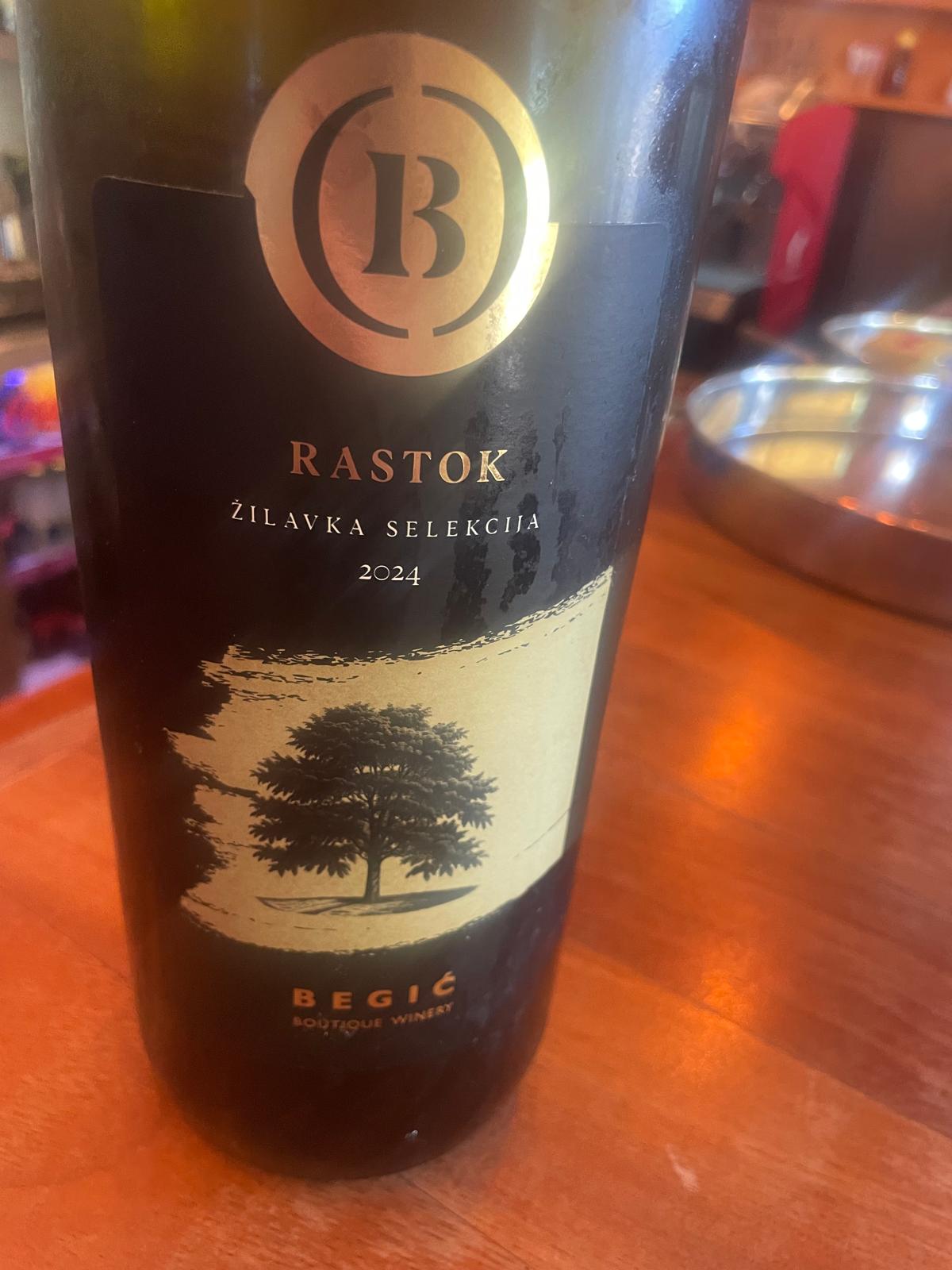
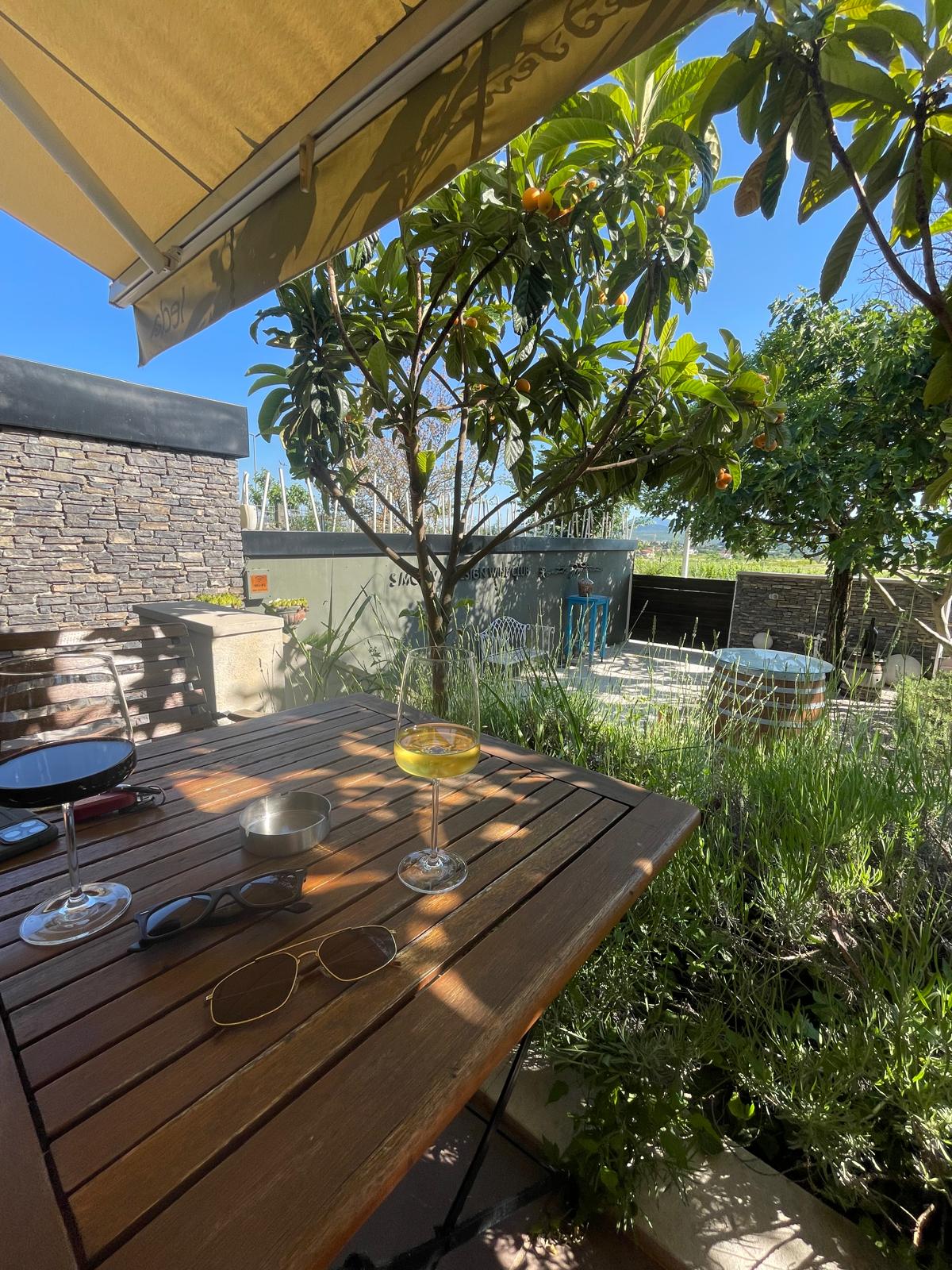
Our journey through the vines culminated at the Smokva Wine Club in the Ljubuški region. Here, we enjoyed an acacia-barrel-aged Žilavka from the Begić Boutique Winery. Žilavka is Bosnia’s triumphant indigenous white grape—crisp, complex, and deeply reflective of the limestone terrain.
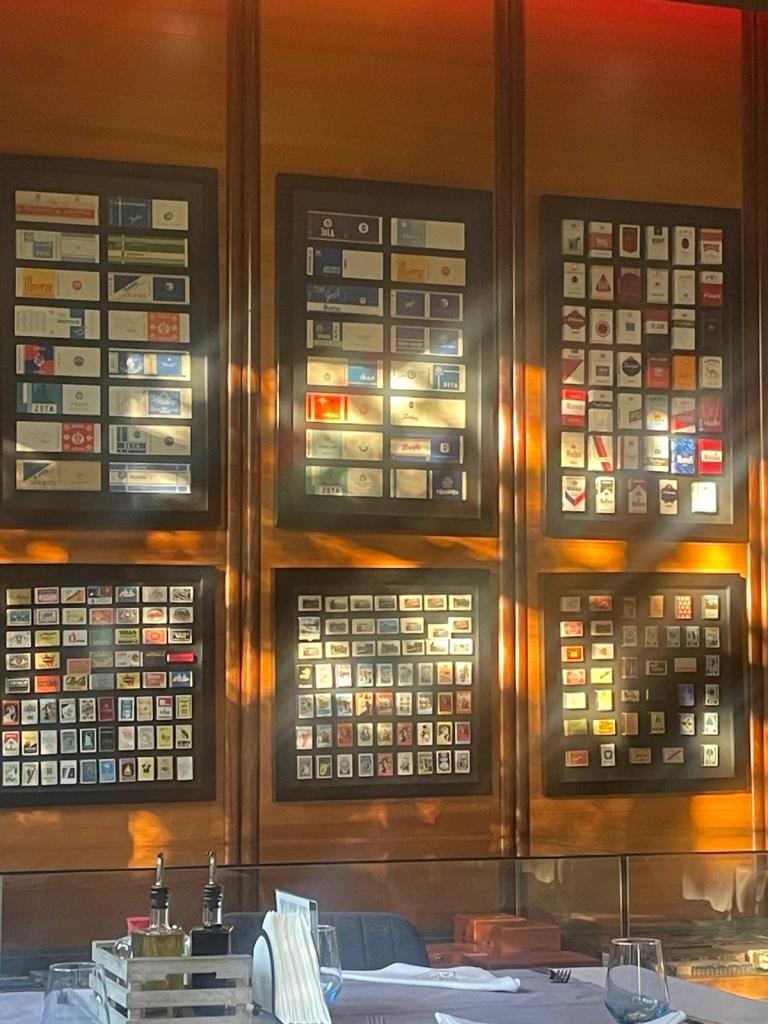
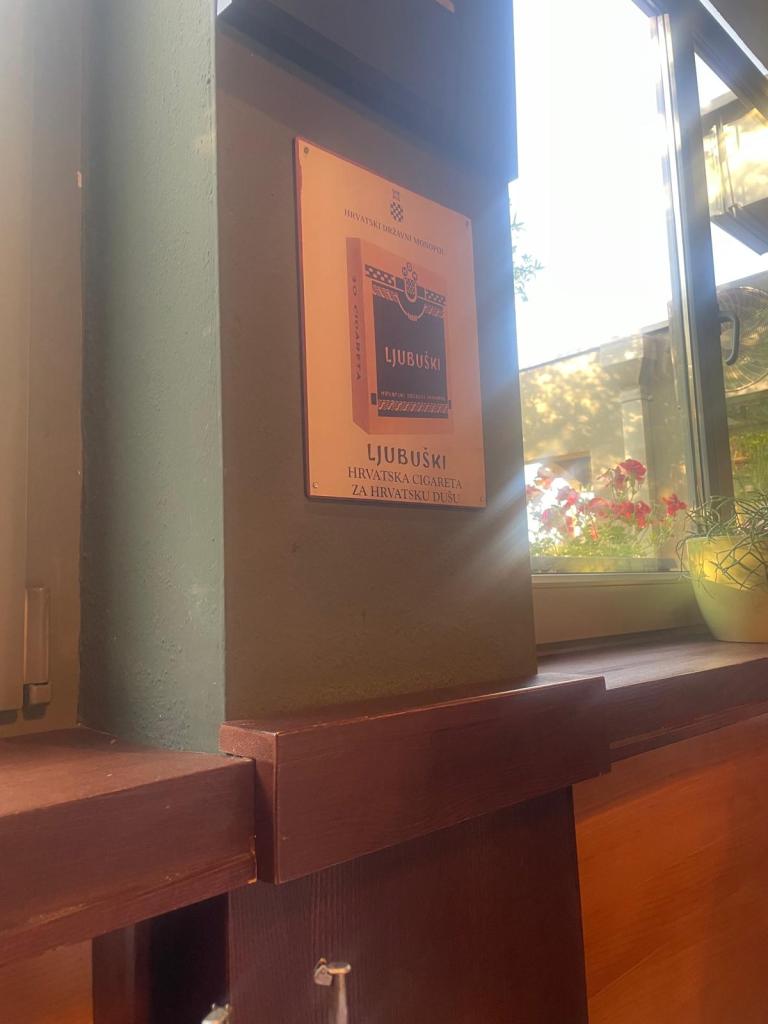
Following this, we paid a visit to the nearby Tobacco Museum to delve into the agrarian history of Herzegovinian tobacco. In a delightfully quirky twist that perfectly captures the inimitable spirit of Bosnia, the museum doubles as an exceptional restaurant, and it was right there, amidst the historical exhibits, that we sat down to dine.
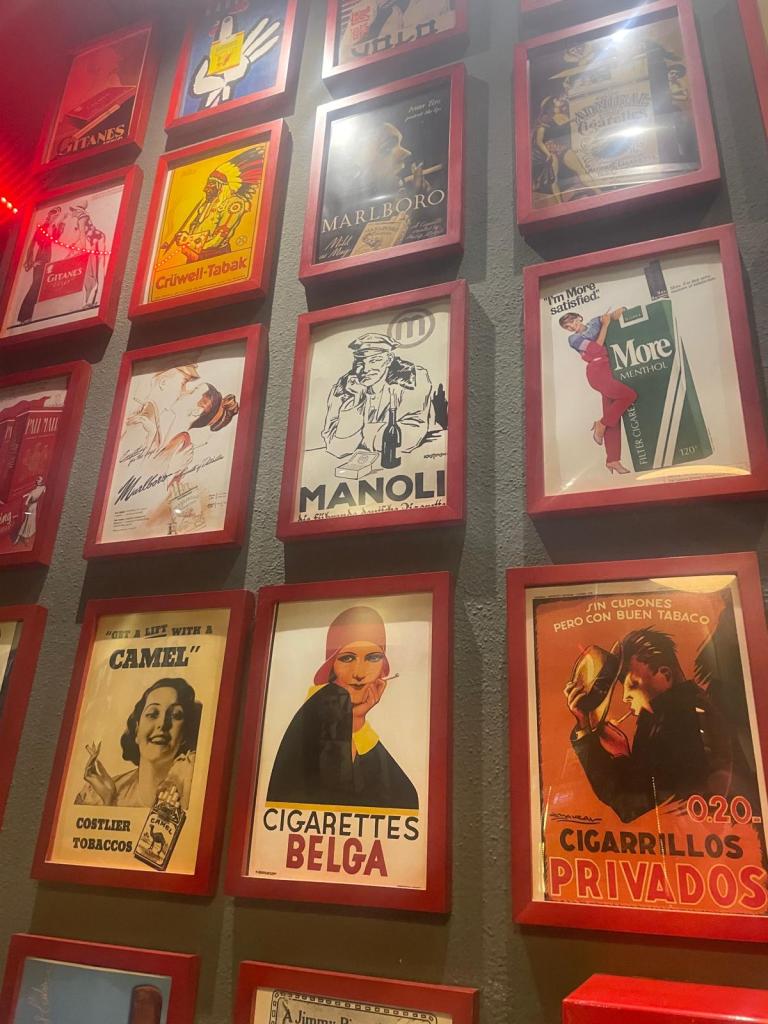
It was a wonderfully eccentric experience, serving as a brilliant reminder of a fundamental Bosnian truth: exceptional, high-quality food is never far away, turning up in the most unexpected and enchanting corners of the country. This space is a true hidden gem for clients who appreciate a side of rich cultural storytelling with their dinner.
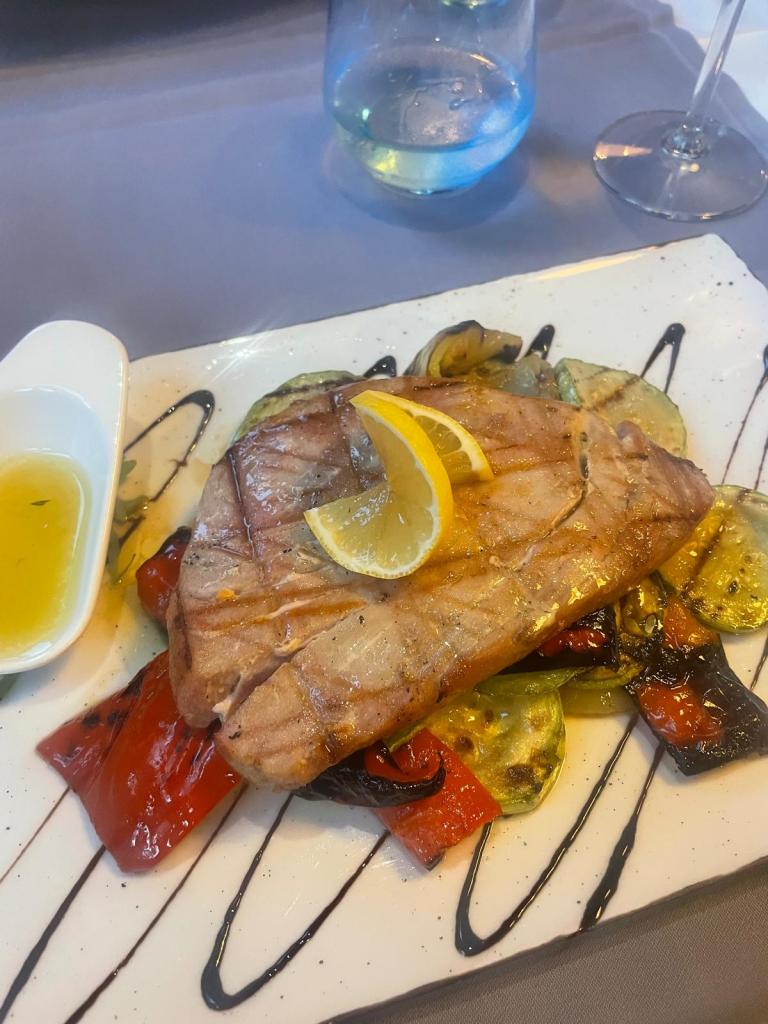
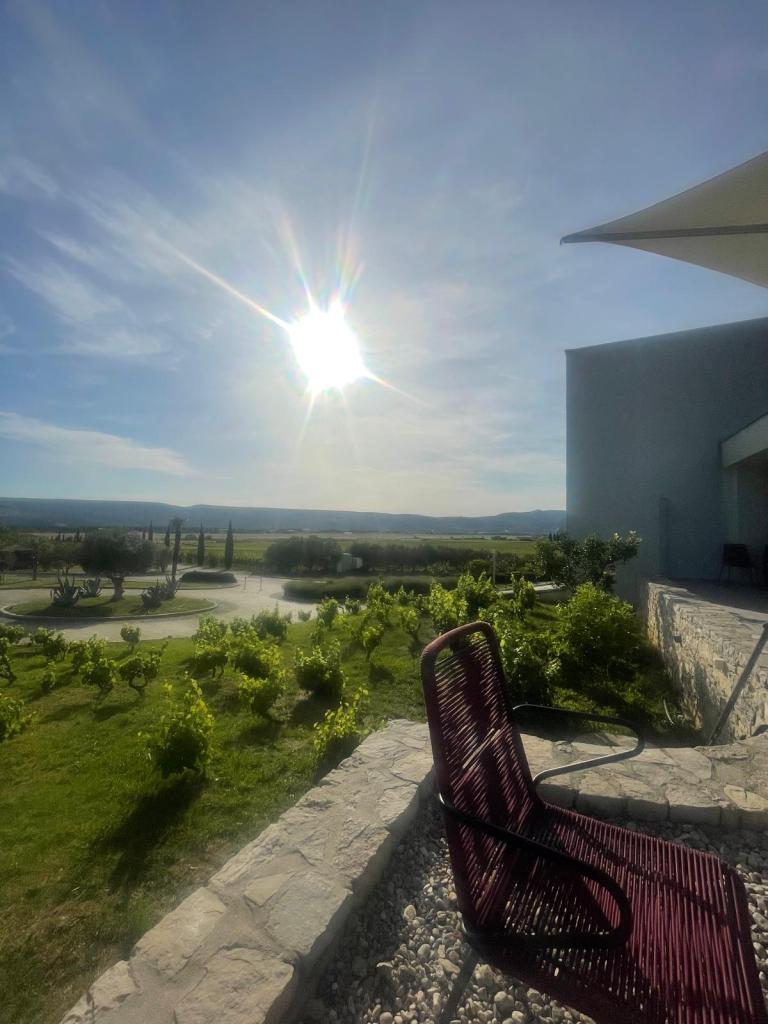
On our final evening in Mostar, we retreated to Hotel Emporia, situated within the legendary Imperial Vineyards. Wine architecture here is serious business; the first wine school in the area was established in 1866 under the decree of Emperor Franz Joseph I of Austria.
Today, the estate seamlessly blends centuries-old techniques with avant-garde modern technology, famously aging some of their award-winning vintages in concrete “eggs.”
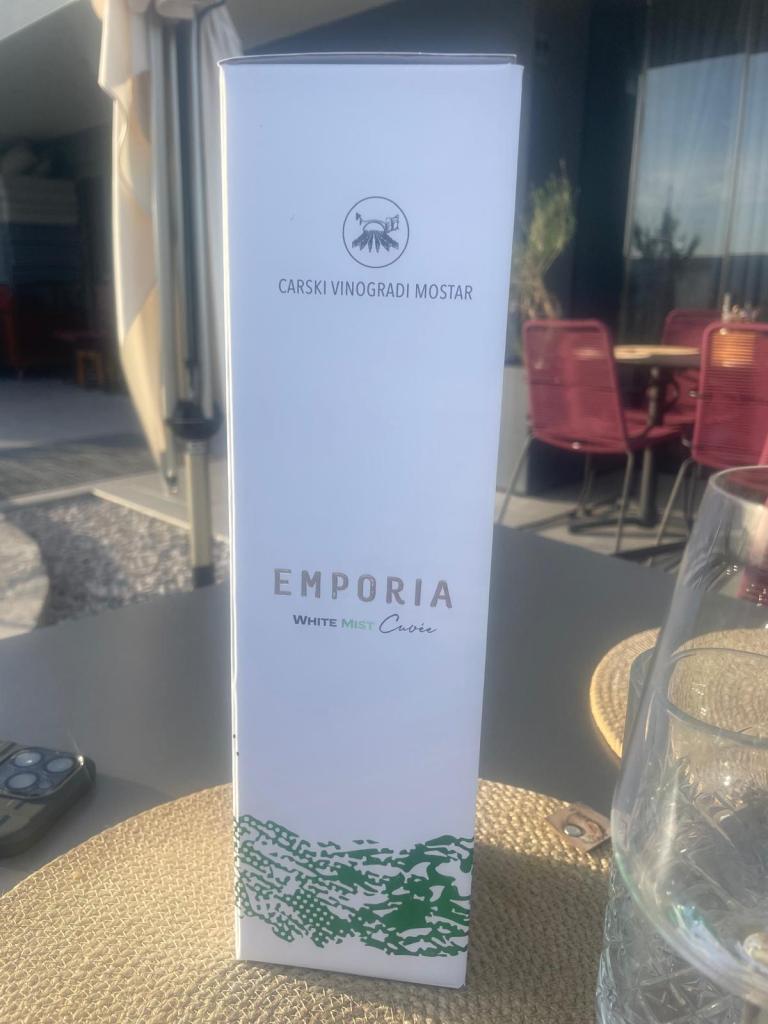
We treated ourselves to a bottle of their Emporia White Mist Cuvee—a beautifully balanced, aromatic triumph that perfectly encapsulated the elegance of the region.
Sarajevo: Where the Centuries Collide
We concluded our odyssey with a day in Sarajevo, a city where old and new do not merely coexist; they collide with magnificent style. You can stand on a single street corner and look left at an Ottoman bazaar, look right at grand Austro-Hungarian promenades, and look straight ahead at sleek, modern architecture.
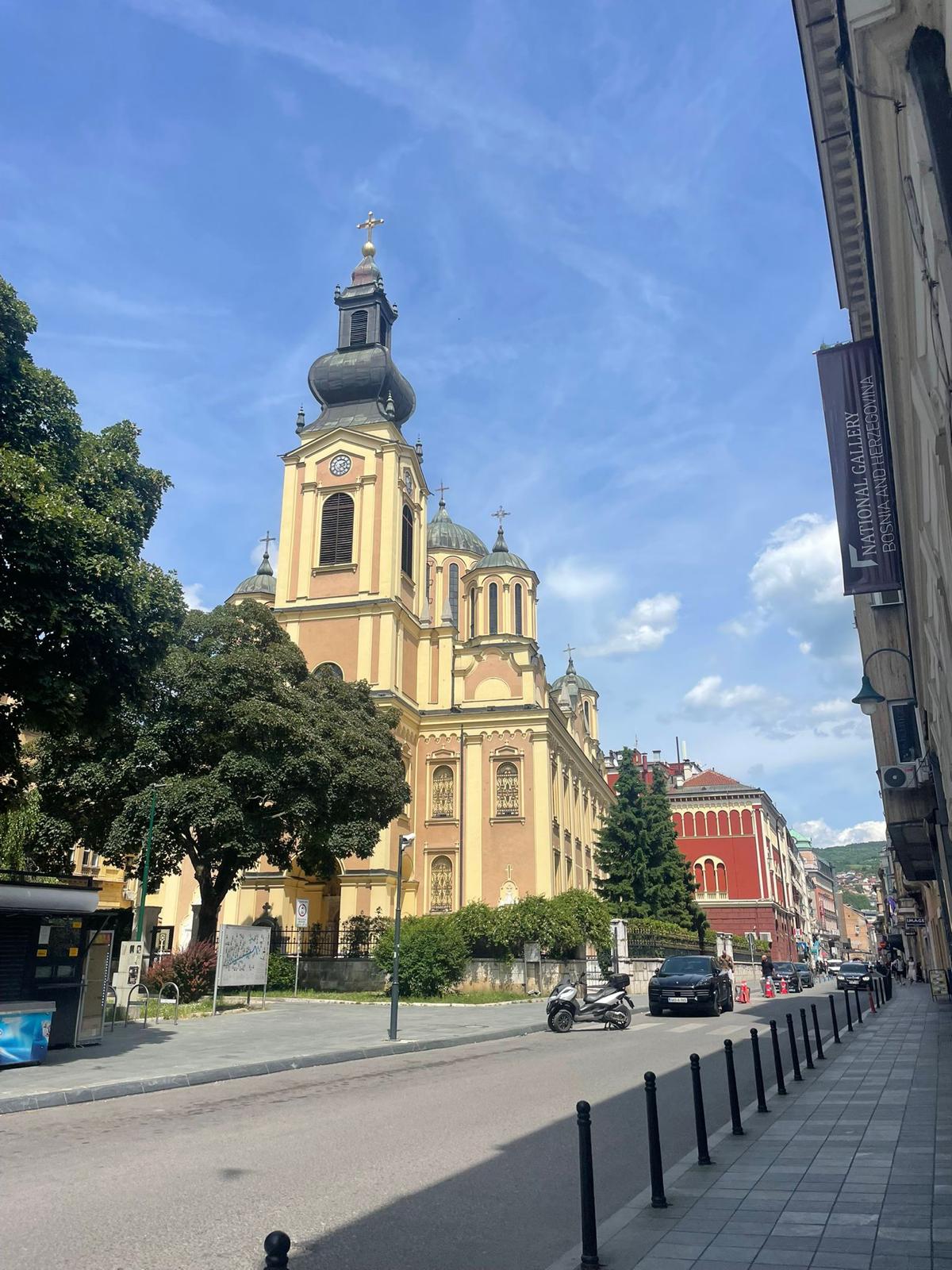
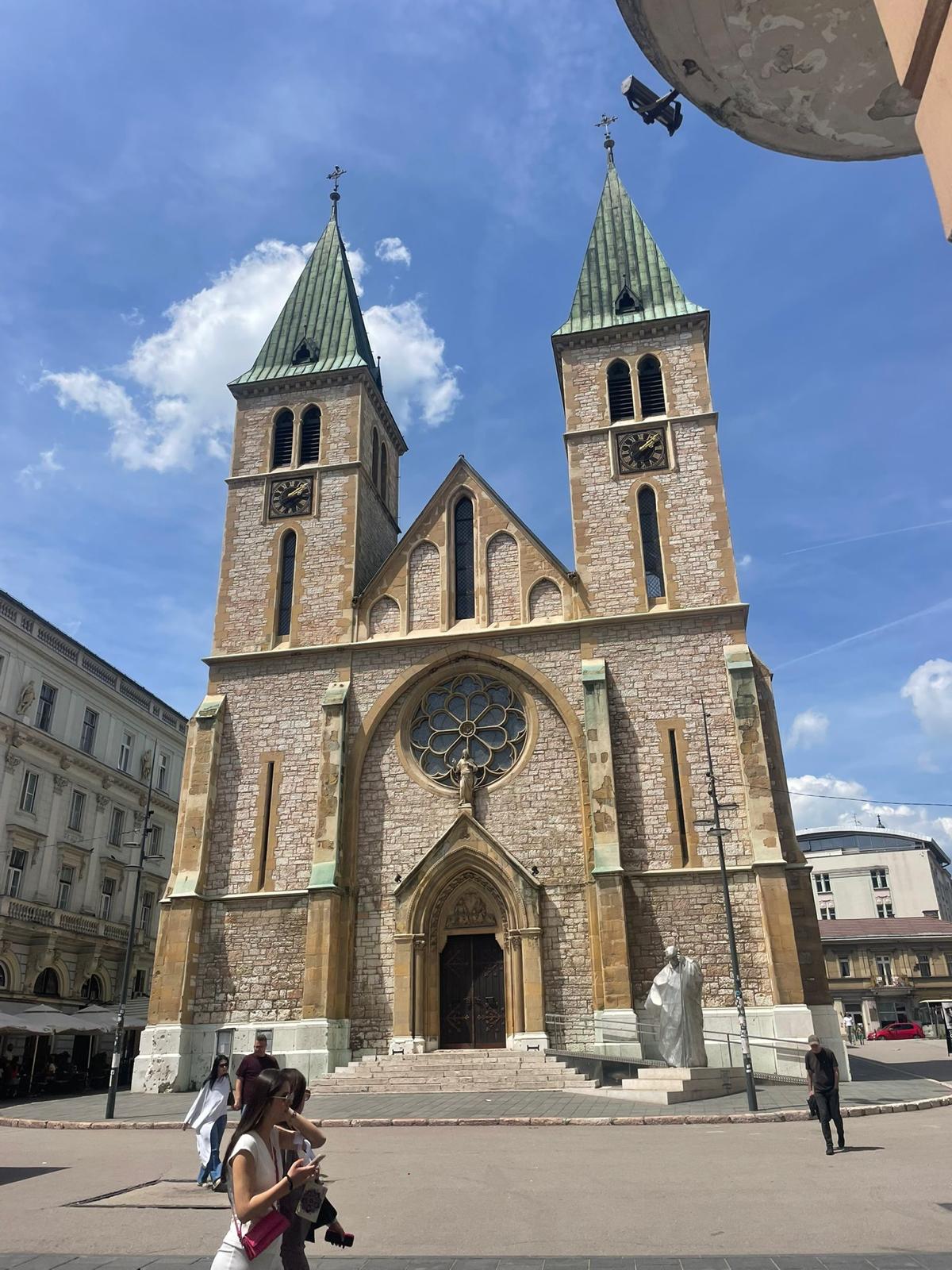
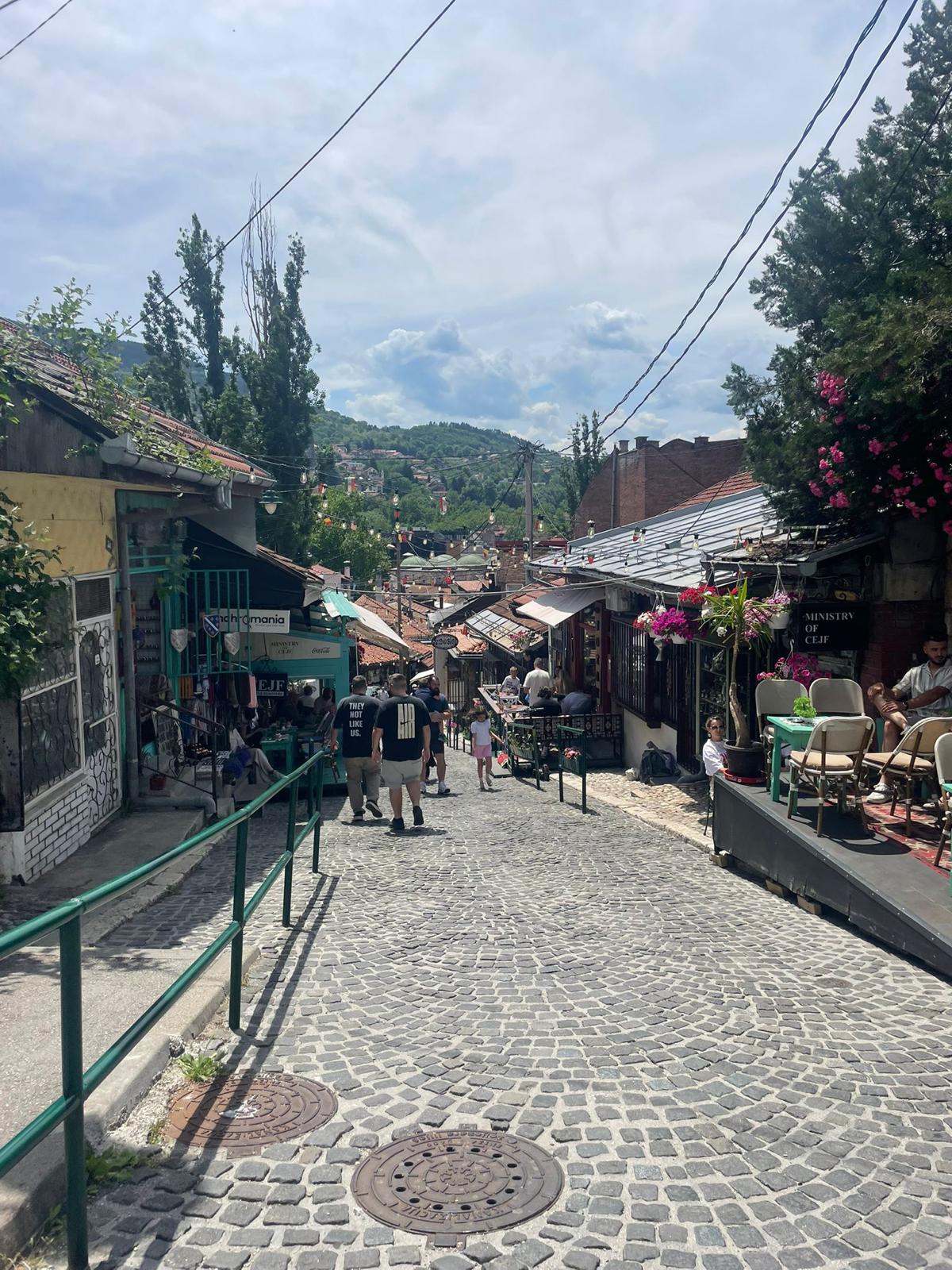
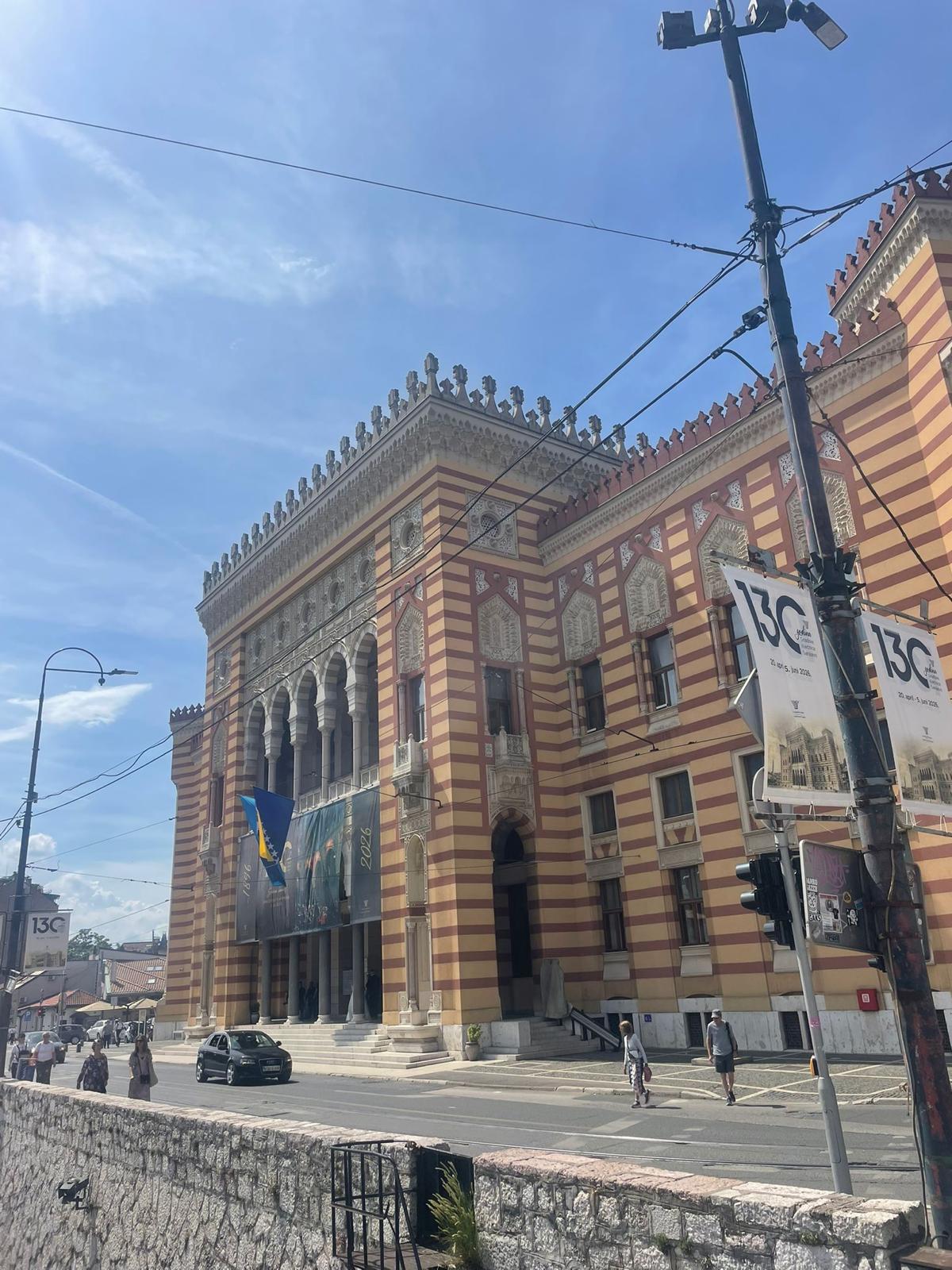
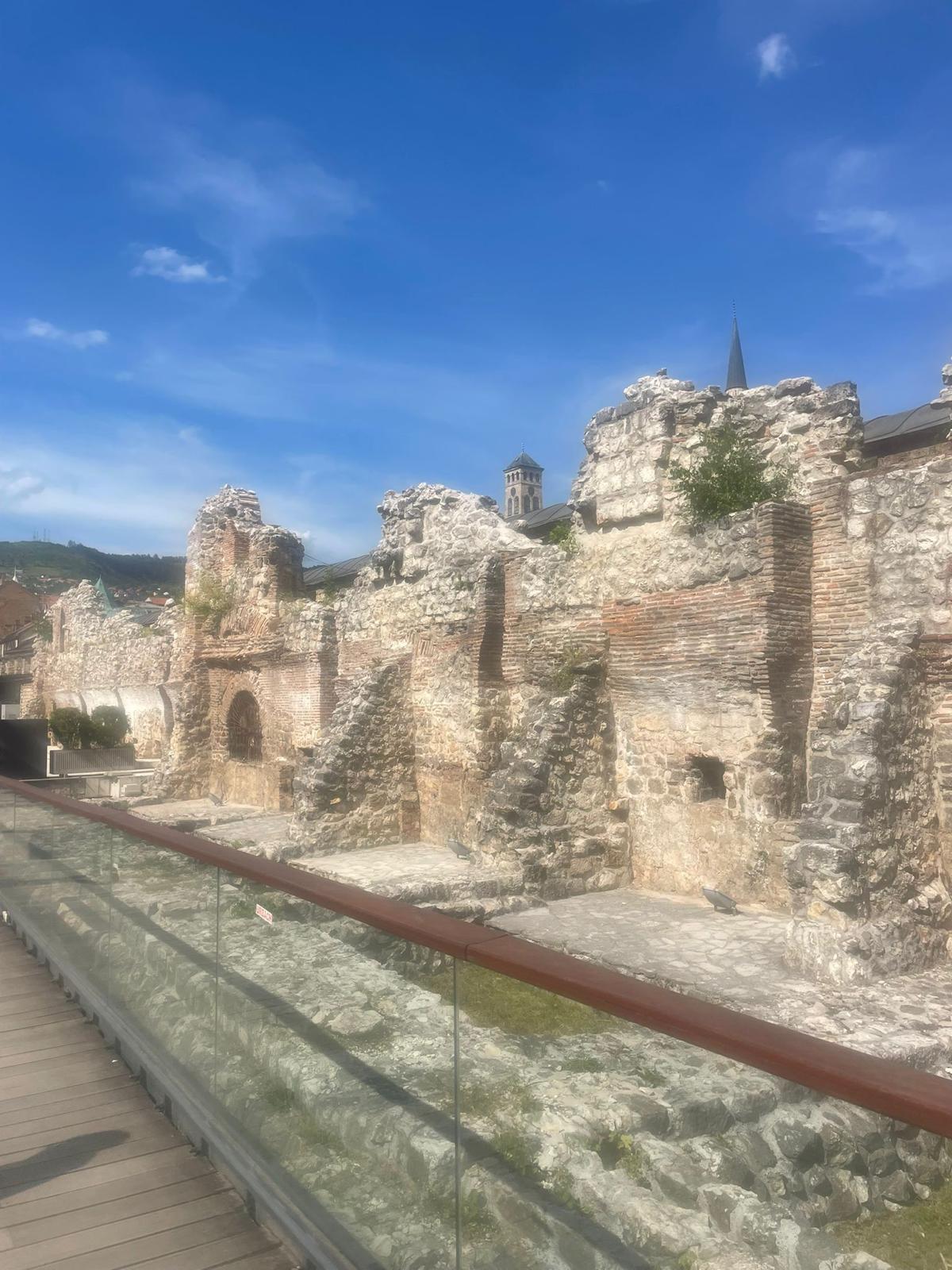
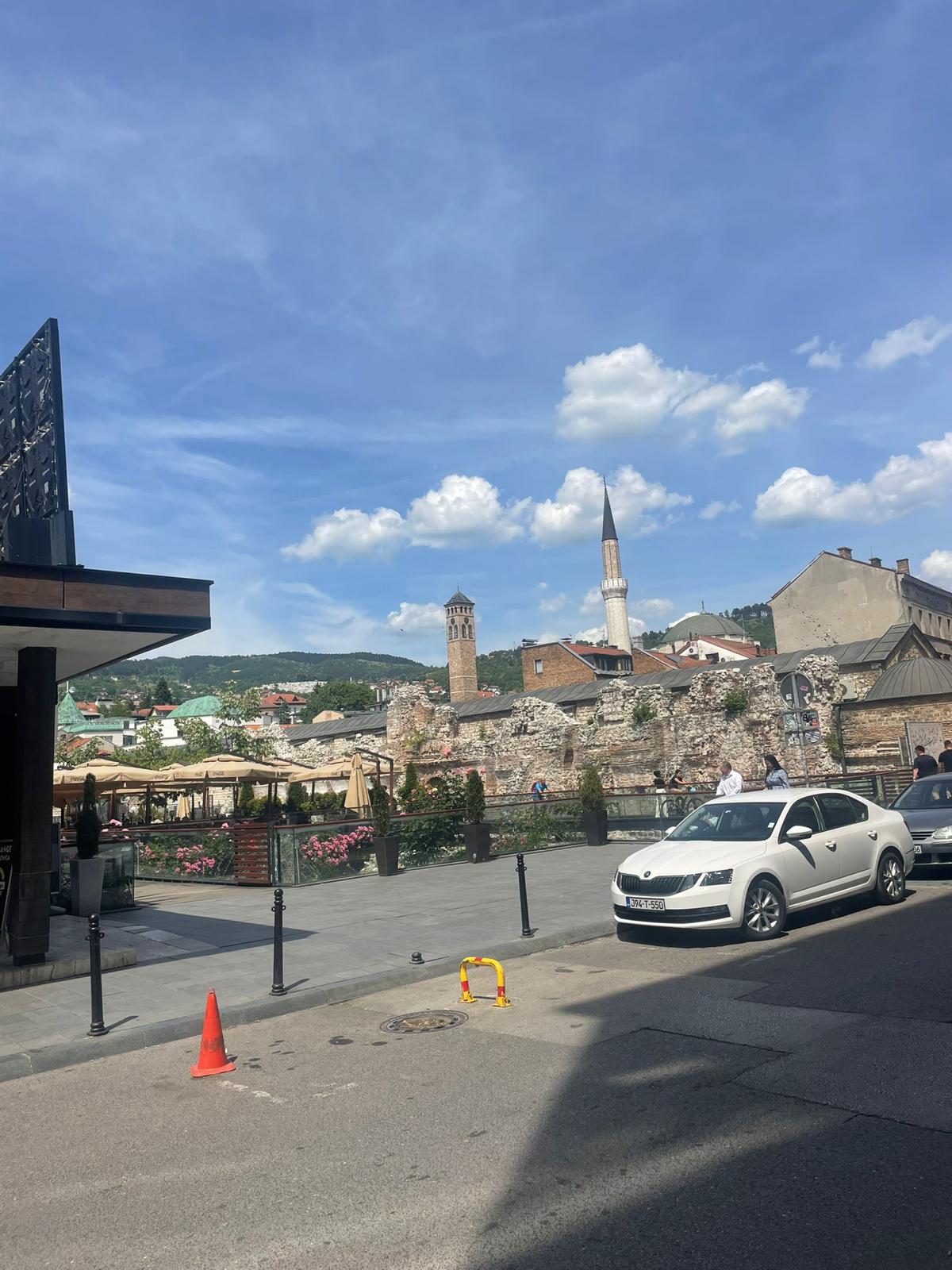
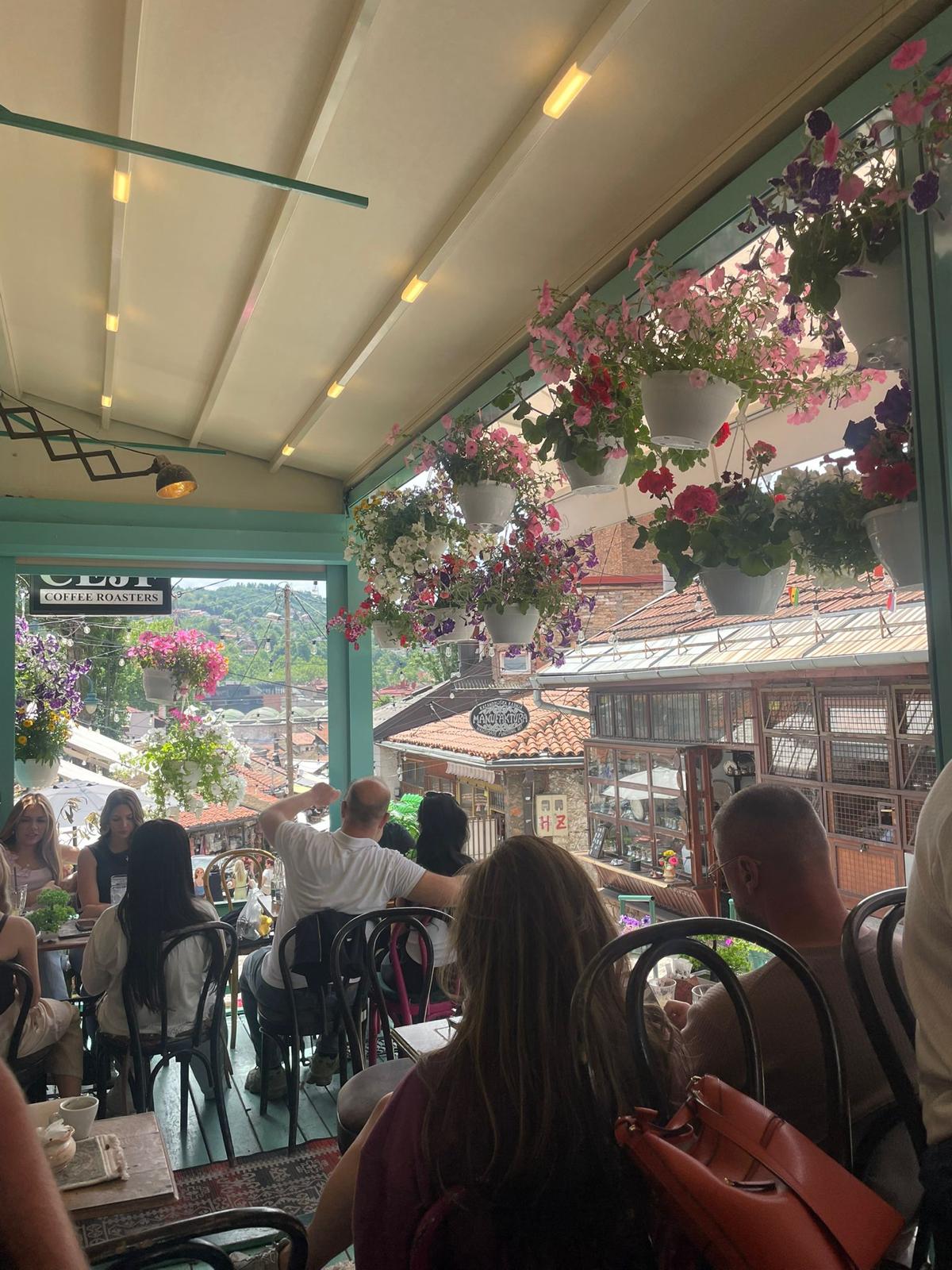
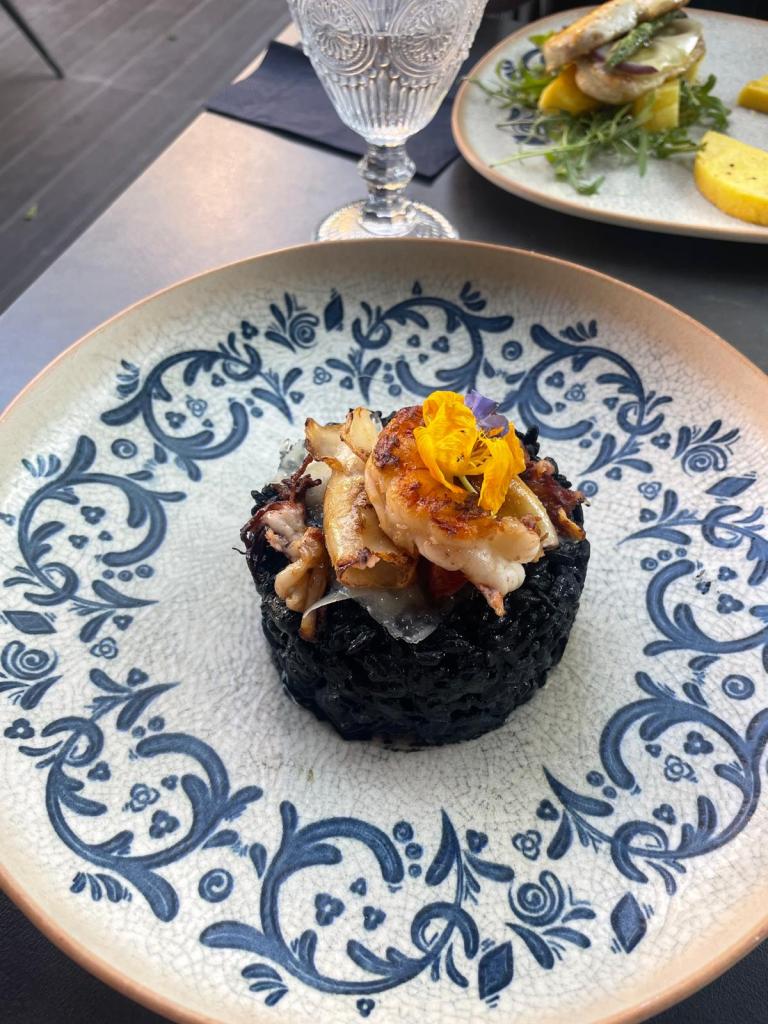
We explored the majestic Gradska vijećnica (the Moorish-revival Town Hall built in the late 1800s), which stands as a proud, living museum, while the Sacred Heart Cathedral watches over the bustling shopping avenues below. Sarajevo has evolved beautifully, yet it has lost absolutely none of its gritty, authentic identity. We ended our trip with an exquisite squid ink risotto—proof that Bosnia’s contemporary culinary scene is quietly thriving.
Logistically, it is remarkably effortless. Sarajevo’s vibrant centre is a mere 20-minute drive or simple public transport link from the airport, and excellent transit lines run directly from the airport down to Mostar for clients who prefer not to drive.
The Verdict: How to Sell It
Every bar, restaurant, workshop, and vineyard we encountered in Bosnia was profoundly rooted in the history of its people. Unlike so many European hotspots that have diluted their menus and identities to cater to the lowest common international denominator, Bosnia remains fiercely, unapologetically itself. It doesn’t try to be somewhere else.
The Ideal Client: Look for your experienced travellers. The wine lovers, the history buffs, the slow-food advocates, and those who view travel as an opportunity for true cultural immersion rather than a backdrop for a social media feed.
Packaged with Travelpack’s bespoke boutique hotels, direct flight access, and curated car hire options, Bosnia is the ultimate antidote to the modern tourist trap. It is time to let your clients discover the magic before the rest of the world catches on.
Explore Our Bosnia Offers
Bosnia’s Best of Nature & Heritage
Click here
The Best of Bosnia & Herzegovina
Click here
Bosnia & Herzegovina Uncovered
Click here


Leave a Reply